
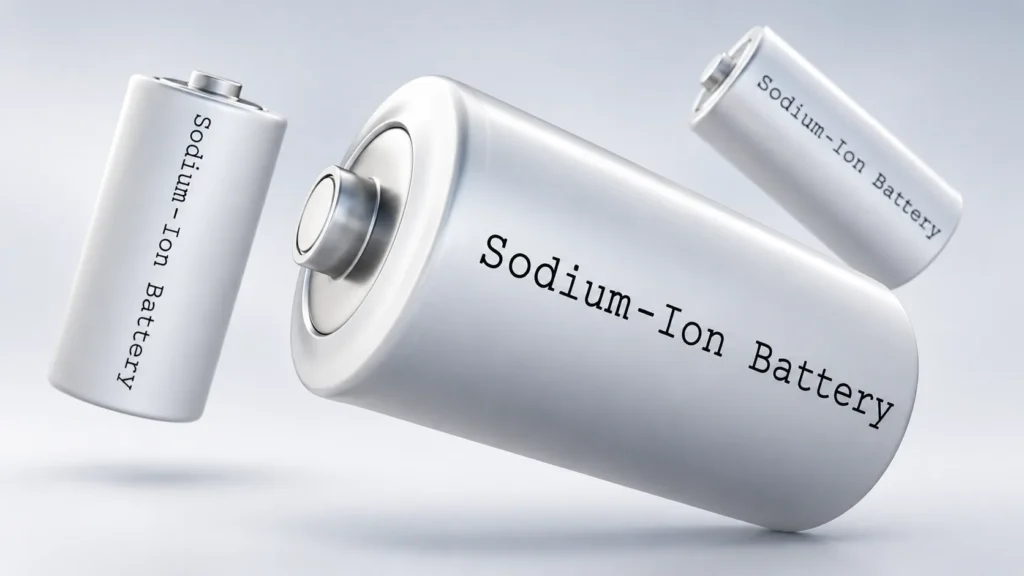
Sodium-ion battery solutions deliver reliable power in extreme cold where lithium-ion technology fails. At -40°C, a sodium ion battery retains 90% of its capacity, while lithium-ion drops to only 50%. This performance advantage comes from sodium’s natural resistance to cold. VEKEN, a pioneer with over 20 years in the energy industry, has developed sodium ion batteries specifically for subzero conditions. These batteries maintain stable output without additional heating. So what real-world applications make the investment worthwhile? The answer lies in five extreme cold use cases where temperature and cold weather demand an uncompromising power source.
Key Takeaways
Sodium-ion batteries keep 90% capacity at -40°C, while lithium-ion only keeps 50%.
They work without heating systems, saving energy and simplifying design.
They charge safely at -20°C, unlike lithium-ion which cannot charge below 0°C.
They last over 8,000 cycles, five times longer than lead-acid batteries.
They are safe, passing nail penetration and short circuit tests without fire.
Sodium Ion Battery Cold Weather Performance Explained
Cold temperatures challenge every battery chemistry. The difference lies in how each chemistry responds. Sodium-ion batteries outperform lithium-ion in cold conditions for three fundamental reasons: no lithium plating, a lower electrolyte freezing point, and stable ion transport. Understanding these mechanisms explains why sodium ion battery cold weather performance stands apart.
No Lithium Plating and Lower Electrolyte Freezing Point
Lithium-ion batteries face a critical problem in freezing conditions. Lithium ions plate onto the anode surface instead of intercalating into it. This plating reduces capacity and creates safety risks. Sodium ions do not suffer from this issue. Their larger size and different chemical behavior prevent plating at low temperatures.
Additionally, the electrolyte in sodium batteries has a lower freezing point than that of lithium-ion batteries, allowing them to maintain stable performance at low temperatures.
This lower freezing point keeps the electrolyte liquid and functional. Ion movement continues even when temperatures drop well below zero. The result is reliable low-temperature discharging and charging without the risks that plague lithium systems.
Ion transport also plays a decisive role. As temperature drops, electrolyte viscosity increases, slowing ion transport and charge-transfer reactions, and raising electrode-electrolyte interface resistance. Sodium ions, despite being larger, can exhibit favorable desolvation behavior in certain electrolyte systems, which is critical for low-temperature kinetics. Engineers address this through low-freezing-point solvents, optimized solvation structures, tailored electrode materials, and more stable interfaces.
Capacity Retention and Safety vs. Lithium-ion
The numbers tell a clear story. At -40°C, a sodium ion battery retains 90% of its capacity. A lithium-ion battery under the same conditions drops to only 50%. This gap defines the practical difference between the two technologies.
Industry data supports this pattern. CATL uses hard carbon anodes and Prussian white cathodes with electrolyte formulations that maintain fluidity, achieving capacity retention at -20°C above 90%. HiNa Battery employs layered oxide cathodes with optimized interlayer spacing and electrolyte additives that prevent freezing, reaching discharge capacity retention up to 85% at -30°C. These results demonstrate that low-temperature capacity retention is achievable across different sodium-ion designs.
When comparing sodium-ion vs lifepo4 in cold weather, the advantage becomes even clearer. LiFePO4, a common lithium chemistry, struggles significantly below freezing. Its capacity at -20°C often falls well short of what sodium-ion delivers. This makes sodium ion batteries a practical choice for cold climate performance where lithium alternatives falter.
VEKEN’s sodium batteries maintain stable output down to -40°C without a heating system. This eliminates the energy drain and complexity that heating systems add to lithium packs. The batteries simply work in the cold. Their performance does not depend on external warming or thermal management.
Safety also improves. Sodium-ion chemistry resists the thermal runaway that can occur when lithium batteries are charged in freezing conditions. The absence of lithium plating removes a primary trigger for internal short circuits. This makes sodium ion battery cold climate performance not just about capacity, but about reliable and safe operation.
The combination of no plating, lower freezing point, and stable ion transport creates a technology that thrives where others struggle. For anyone evaluating battery options for subzero environments, these technical advantages translate directly into real-world reliability.
VEKEN Sodium-ion Battery Solutions for Cold Climates
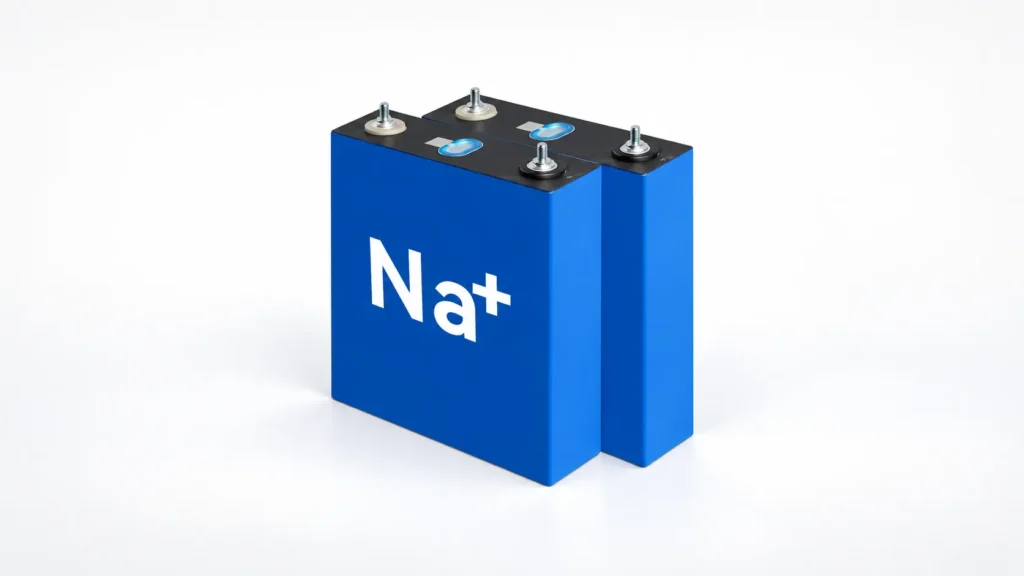
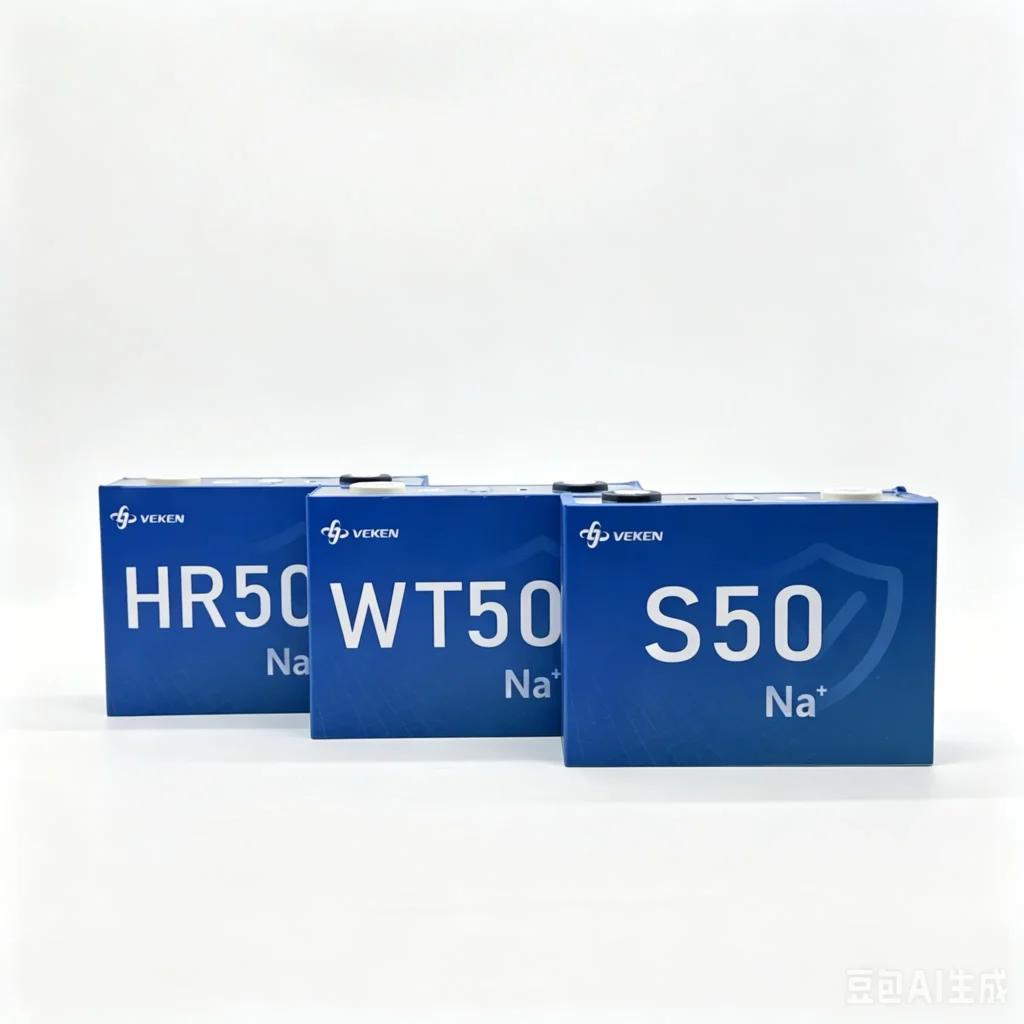
VEKEN builds sodium-ion battery solutions for the coldest places on earth. The product line includes cylindrical cells and prismatic cells. Cylindrical models include the 32700 and 33140. Prismatic models include the 50160 and 72173. Every cell operates across a sodium ion battery temperature range of -40°C to 80°C. This wide window means one battery works in a freezer, a snowstorm, or a desert. The 45UT sodium-ion cells go further. They support normal charging at -20°C. Lithium-ion batteries cannot charge at that temperature without risking damage. This single feature changes how engineers design cold-climate systems. They no longer need to warm the battery before charging. The battery simply accepts a charge in the cold.
Customizable Cells for Extreme Cold
No two cold-climate projects look the same. A telecom tower in the mountains needs different power than a solar street light in a Nordic town. VEKEN addresses this with full customization. Buyers choose the operating temperature range, cold cranking amps, cell model, series or parallel configuration, and battery pack dimensions. This flexibility lets a system integrator match the battery to the exact load and space. A motorcycle in Siberia needs high cold cranking amps for engine start. A remote sensor station needs a small, low-draw pack. VEKEN supplies both from the same cell platform.
The low-temperature performance of these cells comes from careful material selection. The electrolyte stays liquid at low temperatures. Sodium ions move through the cell without plating. This keeps capacity high and prevents the internal damage that shortens lithium battery life in the cold.
Safety and Cycle Life Advantages
Safety separates sodium-ion from other chemistries. VEKEN’s sodium ion batteries have passed nail penetration, short circuit, extrusion, and drop tests. None of these tests produced a fire or an explosion. This matters for public infrastructure. A battery in a hospital, school, or shopping center must not pose a fire risk. The same safety profile supports safe transport and storage in remote locations.
Cycle life tells an equally strong story. VEKEN sodium-ion batteries deliver over 8,000 cycles. That is five times longer than lead-acid batteries. The table below compares the two chemistries.
Feature | Sodium-Ion Batteries | Lead-Acid Batteries |
|---|---|---|
Cycle Life | Longer | Shorter |
The design life data reinforces this gap. VEKEN states that its sodium-ion battery has a design life of more than 8 years. Lead-acid batteries average just 1.5 years. This difference changes the total cost of ownership. A remote installation with lead-acid batteries needs replacement every year or two. The same site with sodium-ion batteries runs for nearly a decade. Maintenance visits drop. Replacement costs fall. The performance of the system stays stable across many cold weather seasons.
These advantages make VEKEN sodium ion batteries a practical choice for any project that faces subzero temperatures. The combination of wide temperature tolerance, fast cold charging, proven safety, and long cycle life covers the full range of cold-climate power needs.
Sodium-ion Batteries for Cold Weather: EV Applications
Cold-Weather EV Challenges
Electric vehicles face a serious problem in cold climates. Lithium-ion batteries lose over 60% of their capacity in winter conditions. This dramatic drop reduces driving range and makes EVs unreliable for daily use in cold weather. The cold thickens the electrolyte inside lithium cells. Ions move slowly. The battery delivers less power.
Manufacturers add heating systems to counter this problem. These systems warm the battery pack before and during operation. But heating consumes energy. The system drains the very range it tries to protect. Drivers in arctic regions find themselves charging more often and driving shorter distances. The winter months turn an EV into a liability.
VEKEN Sodium-ion Advantage in Arctic Regions
Sodium-ion technology changes this equation. VEKEN’s sodium ion battery delivers stable discharge performance without any heating system. It operates across a wide temperature range from -40°F to 140°F without output degradation.
Sodium batteries perform much better at low temperatures. They have a wide operating temperature range of -40°F to 140°F without output degradation, which negates the need for cooling systems. This means that in arctic conditions, sodium-ion batteries can maintain discharge performance without requiring heating.
This reliable winter performance means an EV equipped with cold-weather sodium-ion batteries does not lose range in a blizzard. The vehicle starts. The battery accepts a charge. The driver covers the same distance as on a summer day. No heater warms the pack. No energy goes wasted.
VEKEN has deployed sodium ion batteries in Nordic regions. Real-world installations show stable performance in freezing conditions. Replacement frequency drops. The total cost of ownership falls by up to 30% compared to lead-acid solutions.
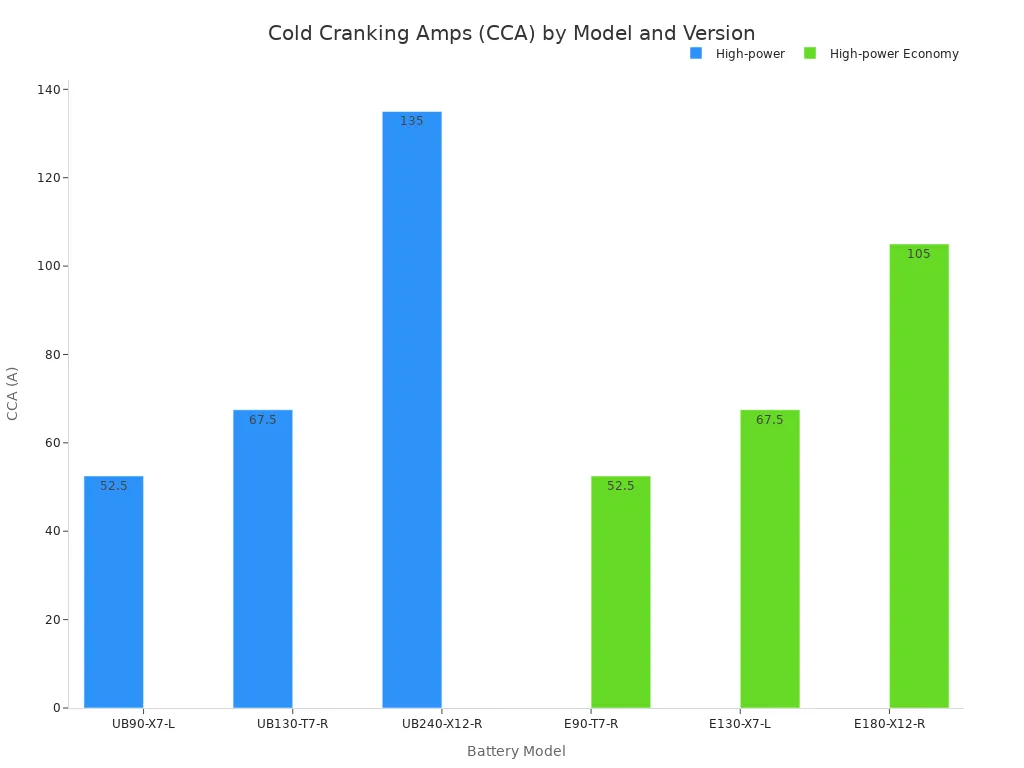
For cold weather starting power, VEKEN offers motorcycle batteries with high cold cranking amps. The options span from 52.5A to 135A. The table below lists available models.
Model | Version | CCA | Nominal Voltage | Ref. Enclosure Category |
|---|---|---|---|---|
UB90-X7-L | High-power | 52.5A | 12V | YTX7L |
UB130-T7-R | High-power | 67.5A | 12V | YTX7L |
UB240-X12-R | High-power | 135A | 12V | YTX12 |
E90-T7-R | High-power Economy | 52.5A | 12V | YTX7A |
E130-X7-L | High-power Economy | 67.5A | 12V | YTX7L |
E180-X12-R | High-power Economy | 105A | 12V | YTX12 |
The low-temperature capacity retention of sodium ion batteries makes them ideal for EV applications in polar regions. While lithium struggles below freezing, sodium delivers consistent capacity retention at -20°c. The performance gap widens as temperature drops further.
Sodium Ion Battery in Remote Off-Grid Solar Storage
Winter Solar Storage Challenges
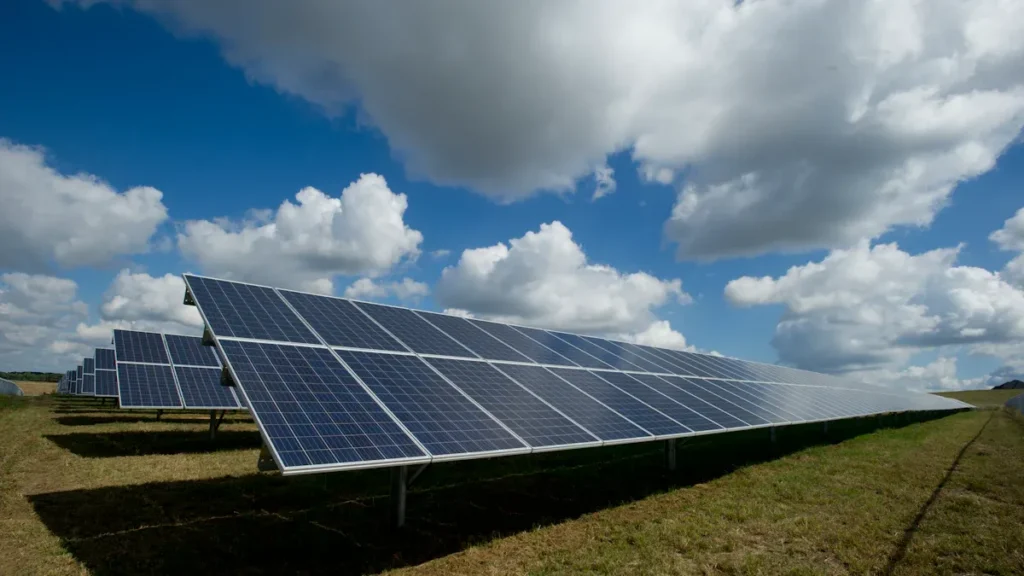
Remote solar installations face a brutal reality in winter. Panels still capture sunlight. The battery, however, cannot accept the charge. Lithium-ion batteries cannot charge below 0°C. Charging outside the safe range causes permanent damage. This limitation turns a functional solar array into a useless asset for months.
The table below shows the charging temperature limits for lithium-ion systems.
Context | Charging Temperature Range | Notes |
|---|---|---|
General safe charging limit | 10°C to 40°C | Recommended for optimal battery health |
Standard charging range | 0°C to 45°C | Acceptable but may reduce lifespan near extremes |
Solar power station (off-grid travel) | 0°C to 40°C | Operating temperature: -10°C to 45°C |
Critical warning | Never below 0°C or above 45°C | Charging outside this range can cause damage |
A remote cabin in Norway or a solar microgrid in Alaska hits these limits every winter. The battery sits idle. The system fails. Operators must either add heating systems or accept seasonal blackouts.
VEKEN Sodium-ion for Unattended Installations
Sodium-ion technology removes this barrier. The minimum charging temperature for VEKEN’s 45UT cells reaches -20°C.
VEKEN 45UT sodium-ion cells support normal charging operation at temperatures as low as -20°C, overcoming the charging limitations that traditional lithium-ion batteries face in freezing conditions and ensuring reliable energy availability throughout winter.
This cold charging capability keeps a cold-climate energy storage system running all winter. No heater warms the pack. No energy drains from the battery to protect itself. The system simply charges when the sun rises.
Solar-powered airport lighting systems in cold climates already use VEKEN sodium ion batteries. These installations run unattended for months. The batteries maintain capacity at -20°C and deliver consistent performance through repeated freeze-thaw cycles. Their wide temperature storage range reduces the need for thermal control during transport and idle periods.
The maintenance-free design suits remote locations perfectly. A technician cannot visit a mountain-top repeater every week. Sodium ion batteries for cold climate home storage applications and off-grid infrastructure cut those visits to nearly zero. The combination of cold charging, stable capacity retention at -20°C, and long cycle life makes sodium-ion the practical answer for cold climate energy storage needs.
Sodium Ion Battery in Telecom Towers
Mountainous Telecom Cold Challenges
Telecom towers in mountainous regions face punishing conditions that test every component. Ice builds up on the structure and antennas at higher elevations. This added weight increases wind drag on the tower. Corrosion accelerates from constant exposure to rain, snow, and corrosive mountain air. These factors shorten equipment life and raise maintenance costs.
Extreme cold introduces additional problems. Metal on telecom towers becomes more brittle at low temperatures. This brittleness increases the risk of cracks under wind or mechanical stress. Frost heave shifts the tower foundation when ground freezing and expansion occur. Heavy snow adds weight and can cover antennas, which affects signal transmission. Melting and refreezing leads to dangerous ice formation on critical surfaces.
These conditions demand a backup power source that works without fail. A telecom tower cannot go offline. Emergency calls, network traffic, and critical communications depend on uninterrupted service. The battery must deliver reliable power in cold weather, even when temperatures drop far below freezing.
VEKEN Sodium-ion for Backup Power
Sodium-ion technology addresses the core weakness of lithium and lead-acid batteries in cold climates. A sodium ion battery system from VEKEN provides stable output at -40°C. This ensures emergency power for critical communication infrastructure. The battery does not need a heating system to function. It simply works when the grid fails.
The performance advantage comes from the chemistry. Sodium ions do not plate onto the anode in freezing conditions. The electrolyte stays liquid at low temperatures. These properties support consistent low-temperature discharging without the capacity loss that affects lithium batteries. A telecom operator can count on the same backup duration in January as in July.
VEKEN has deployed sodium ion batteries in Nordic telecom installations. These real-world deployments show stable performance through repeated freeze-thaw cycles. Replacement frequency drops compared to lead-acid batteries. Total ownership costs fall by up to 30% compared to lead-acid solutions. The long cycle life of over 8,000 cycles means fewer site visits and lower maintenance expenses over the system’s life.
The safety profile of sodium ion batteries matters for telecom infrastructure. VEKEN’s cells have passed nail penetration, short circuit, extrusion, and drop tests without fire or explosion. This safety record supports deployment in remote locations where emergency response is limited. The batteries also suit emergency lighting backup and fire safety power systems in commercial buildings, schools, hospitals, and shopping centers. Any facility that needs reliable power during a cold-weather outage can benefit from this technology.
Performance at Low Temperatures in Military Operations
Polar Military Cold Challenges
Military operations in polar regions demand equipment that functions when temperatures plunge far below freezing. Communication systems, navigation tools, and vehicle starting systems all depend on reliable power. When batteries fail, missions stall and soldiers face risk.
The cold creates problems across every equipment category. Water distribution units freeze at extreme low temperatures. The Hippo water tank rack and Camel II water pod systems stop working below -25°F, cutting off drinking water and meal heating for troops. Vehicles require constant engine-block heating, battery warming, and specialized lubricants. Engines kept running continuously create large heat signatures that expose positions. The central tire inflation system freezes. Standard mud tires lose traction, forcing units to use studded tires and customized chains. Military planners now apply artificial intelligence and machine learning during Arctic exercises to spot data patterns and prevent cold-related equipment failures.
These conditions leave no room for batteries that lose capacity or fail to start. The power source must deliver consistent output regardless of how low the mercury drops.
VEKEN Sodium-ion for Defense Reliability
Sodium-ion technology meets the military’s cold-weather power needs. VEKEN sodium batteries offer high-rate discharge capability for engine start systems. They maintain stable performance at -40°C. In Veken’s internal testing, sodium-ion cells discharge at -30°C with a stable voltage curve. This low-temperature performance ensures that communication gear, navigation equipment, and vehicle starters all receive the power they need.
VEKEN sodium batteries serve in special vehicle power supplies optimized for extreme conditions. These batteries provide adaptability and reliability where standard options fall short. The chemistry delivers consistent output without heating systems that drain energy and add complexity.
Safety separates sodium-ion from other chemistries in defense applications. In Veken’s lab, cells pass nail-penetration and over-charge tests without fire or explosion. They do not vent hydrogen like lead-acid batteries. This safety record supports transport and storage in remote military operations where emergency response is limited.
VEKEN’s proprietary prismatic sodium-ion cells use NFPP polyanionic materials and stacking technology to achieve true intrinsic safety—no fire, no explosion, even under nail penetration, thermal runaway, or overcharge.
The combination of cold weather reliability, high-rate discharge, and proven safety makes sodium ion batteries a practical choice for defense operations in the world’s harshest environments.
Sodium-ion Batteries for Cold Weather: Cold-Chain Logistics
Refrigerated Transport Cold Challenges
Cold-chain logistics moves temperature-sensitive goods through freezers, refrigerated trucks, and cold storage facilities. Batteries power tracking devices, cooling systems, and emergency backup units. Subzero conditions create multiple problems for conventional battery chemistries.
The primary obstacle to electrifying cold chain fleets is the substantial energy consumption of traditional cooling systems, which heavily taxes the vehicle battery and diminishes the electric vehicle’s driving range.
Three cold weather challenges stand out in cold-chain operations:
Equipment Performance in Cold Temperatures: Material handling equipment such as forklifts, reach trucks, and electric pallet jacks must operate inside cold storage facilities. Many conventional batteries degrade in cold conditions, reducing performance and increasing downtime.
High Energy Demand: Cold storage requires continuous refrigeration. Inefficient batteries drain rapidly, causing frequent recharging interruptions during production.
Operational Costs and Downtime: Traditional batteries are costly to replace and maintain. Failures in cold environments drive up operating costs for businesses.
VEKEN Sodium-ion for Cold-Chain Reliability
A sodium ion battery from VEKEN addresses each of these cold weather problems directly. The chemistry maintains stable output in subzero environments, ensuring uninterrupted power for critical cold-chain operations.
Aspect | VEKEN Sodium Battery Capability | Relevance to Cold-Chain Operations |
|---|---|---|
Operating Temperature Range | −40 °C to 80 °C | Enables reliable operation in extreme cold storage and winter logistics |
Cold Weather Performance | Reliable at −40 °C | Maintains stable output where lead-acid or lithium alternatives falter |
Heat Control Technology | Advanced lamination technology | Prevents thermal issues during rapid temperature transitions |
Auxiliary Power Efficiency | Up to 90% less auxiliary power use | Reduces operational costs in refrigerated transport |
Deployed Use Cases | Commercial vehicles in cold regions | Matches cold-chain fleet requirements in Northern China, Eastern Europe |
Certifications | ISO 9001, ISO 14001, UN38.3, CE, RoHS, CB | Supports safe global deployment in cold-chain logistics |
Companies in Northern China and Eastern Europe deploy cold-weather sodium-ion batteries in logistics fleets operating through harsh winters. These sodium ion batteries require no maintenance and eliminate frequent replacement. With over 8,000 cycles, they outlast lead-acid alternatives by years.
Environmental benefits add another clear advantage. Sodium ion batteries contain no lead or heavy metals. This makes disposal simpler and operations cleaner for cold-chain companies seeking greener logistics.
Sodium-ion battery solutions prove their worth across five demanding cold-climate applications: electric vehicles, remote off-grid solar storage, telecom towers, military operations, and cold-chain logistics. In each case, sodium ion batteries deliver stable performance where lithium-ion falls short. No lithium plating occurs. The electrolyte resists freezing. Capacity retention stays high even at -40°C.
These advantages make sodium-ion technology reliable for critical cold weather applications. VEKEN pioneered this field with over 20 years of energy industry experience. The company’s sodium-ion battery solutions now operate in Nordic regions and other subzero environments worldwide.
Looking ahead, falling costs and scaled production will expand adoption across polar and subzero regions. Sodium ion batteries will power more installations where reliability matters most.
FAQ
How do sodium ion batteries perform in cold weather compared to lithium-ion?
Sodium ion batteries retain about 90% capacity at -40°C. Lithium-ion drops to roughly 50% under the same conditions. This cold weather advantage comes from sodium’s resistance to plating and a lower electrolyte freezing point. The result is stable output without a heating system.
Can sodium-ion batteries charge below freezing?
Yes. VEKEN’s 45UT sodium-ion cells support normal charging at -20°C. Standard lithium-ion batteries cannot charge below 0°C without risking permanent damage. This cold-weather sodium-ion battery faq point matters most for off-grid solar and remote installations that need winter charging.
How does sodium-ion vs lifepo4 in cold weather compare?
LiFePO4 loses significant capacity below freezing. Sodium-ion maintains stable discharge performance at -40°C. The performance gap widens as temperature drops. For polar or subzero applications, sodium-ion delivers more reliable capacity retention than LiFePO4.
What is the cycle life of VEKEN sodium-ion batteries?
VEKEN sodium-ion batteries exceed 8,000 cycles. That is five times longer than lead-acid batteries. The design life surpasses 8 years, while lead-acid averages 1.5 years. This reduces replacement frequency and total ownership costs in cold climates.
Are sodium-ion batteries safe in extreme cold?
Yes. VEKEN’s cells passed nail penetration, short circuit, extrusion, and drop tests without fire or explosion. The chemistry avoids lithium plating, which removes a primary trigger for internal short circuits. This cold-weather sodium-ion battery faq answer supports safe deployment in remote and public infrastructure.