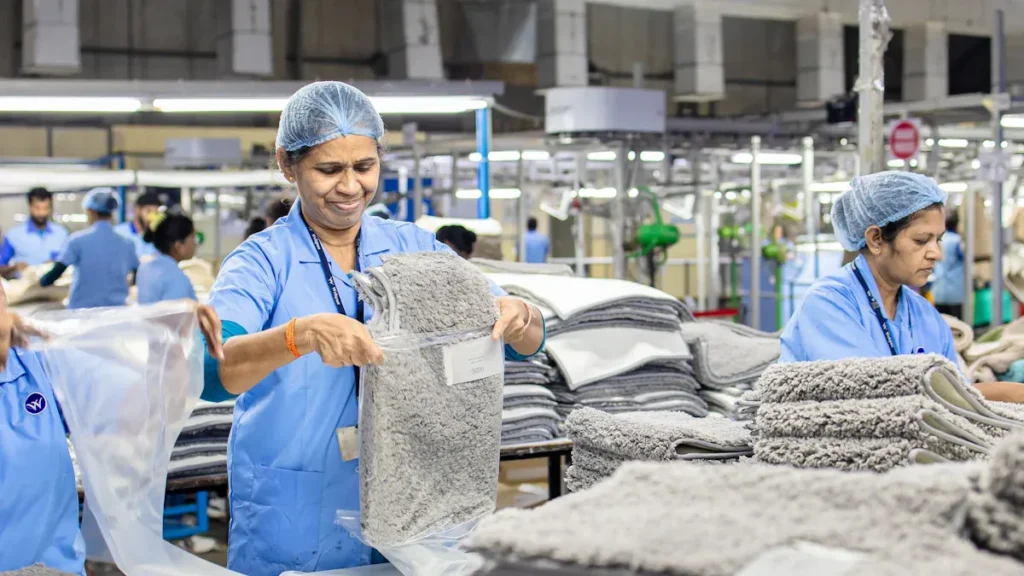
When you choose a blanket factory, you want to make sure your decision supports both the planet and the people behind each product. Picking a factory that values eco-friendly and ethical practices means you help the textile industry move towards real sustainability. Look for places that use safe, certified materials and responsible manufacturing methods. Here’s why it matters:
- Ethical cotton farming cuts down on water use and avoids harmful chemicals.
- Some sustainable farms use rain-fed systems, which can save up to 91% more water in dry areas.
If you’re new to sustainable sourcing or exploring options like Blanket Collection, you’re in the right place.
Key Takeaways
- Choose blanket factories that use eco-friendly materials like organic cotton and recycled fibres. This helps reduce pollution and supports sustainable practices.
- Look for certifications such as OEKO-TEX® and GOTS. These labels ensure the blankets are safe and made with responsible methods.
- Support factories that practice ethical labour. Fair wages and safe working conditions improve lives and ensure quality products.
- Inquire about energy-efficient manufacturing processes. Factories that save energy contribute to a healthier planet.
- Select durable blankets with strong construction. High-quality products last longer, reducing waste and providing better value.
Sustainable Materials in Blanket Factories
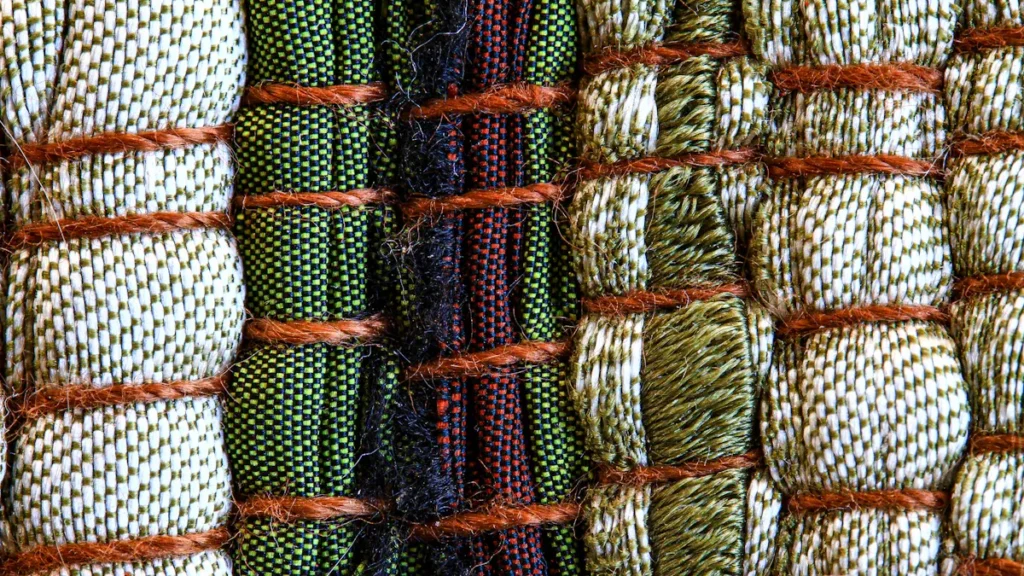
When you step into a blanket factory that values sustainability, you notice the difference straight away. The materials they use shape the environmental impact of every blanket. Let’s break down what you should look for when choosing a supplier.
Organic and Recycled Fibres
You want your blankets to start with fibres that are kind to the planet. Organic cotton is a top choice because farmers grow it without harmful pesticides or synthetic fertilisers. This means less pollution and safer working conditions. Bamboo is another favourite. It grows quickly, needs little water, and feels soft against your skin. Linen and hemp also stand out. These plants thrive with minimal chemicals and water, making them eco-friendly options.
Recycled polyester is gaining popularity in many blanket factories. Instead of using new plastic, manufacturers turn old bottles and textiles into fresh fibres. This process reduces landfill waste and saves energy. You might see blankets made with blends of recycled cotton and polyester, which combine comfort with sustainability.
Tip: Look for blanket factories that clearly state the percentage of recycled content in their products. This shows real commitment to reducing waste.
If you want to learn more about eco-friendly fibres, check out Textile Exchange’s guide to preferred fibres.
Plant-Based and Biodegradable Options
Blanket factories that care about the environment often choose plant-based materials. These fibres break down naturally, so they don’t linger in landfills for years. Hemp and linen are great examples. They come from fast-growing plants and leave a small footprint. You’ll also find blankets made from TENCEL™ lyocell, which uses wood pulp from responsibly managed forests. This fibre feels silky and is biodegradable.
Some factories experiment with innovative materials like banana fibre or pineapple leaf fibre. These options use agricultural waste, turning it into something useful and soft. When you pick blankets made from these fibres, you support creative solutions to textile waste.
| Plant-Based Fibre | Source | Biodegradable | Common Use in Blankets |
|---|---|---|---|
| Organic Cotton | Cotton Plant | Yes | Everyday, luxury |
| Bamboo | Bamboo Grass | Yes | Lightweight, soft |
| Linen | Flax Plant | Yes | Breathable, durable |
| Hemp | Hemp Plant | Yes | Sturdy, eco-friendly |
| TENCEL™ Lyocell | Wood Pulp | Yes | Silky, moisture-wick |
Certified and Safe Fabrics
You want peace of mind that your blankets are safe for you and the planet. Certifications help you spot trustworthy blanket factories. Here are some you should know:
- Global Recycled Standard (GRS): Ensures recycled materials and lower environmental impact.
- Fairtrade: Guarantees fair labour and sustainable sourcing.
- Forest Stewardship Council (FSC): Certifies wood and paper from responsible forests.
- Roundtable on Sustainable Palm Oil (RSPO): Supports sustainable palm oil production.
- Leather Working Group (LWG): Avoids harmful chemicals in leather.
- Global Organic Textile Standard (GOTS): Verifies organic fibres and responsible processing.
VEKEN stands out by using OEKO-TEX® certified fabrics in its Blanket Collection. This certification means you get blankets free from harmful substances. The advanced weaving techniques at VEKEN also boost durability, so your blanket lasts longer and resists pilling.
If you want to check a factory’s certifications, visit OEKO-TEX®’s official site or GOTS’s certification database.
🌱 Choosing a blanket factory with certified, safe fabrics means you support ethical production and protect your health. You also help drive the textile industry towards a greener future.
Eco-Friendly Manufacturing in Blanket Factories
When you look for a truly sustainable blanket factory, you want to see more than just green labels. The way a factory manages energy, waste, and water makes a huge difference. Let’s explore how you can spot eco-friendly manufacturing in action.
Energy Efficiency
Factories that care about the environment use smart energy-saving technologies. You might notice systems that cut down on electricity use and lower carbon emissions. Some blanket factories now use graphene heating elements. These provide gentle warmth with high thermal efficiency, so you get comfort without harsh heat. They run on low voltage and produce minimal electromagnetic radiation, making them safe for sensitive users.
Here’s a quick look at how these technologies work:
| Feature | Description |
|---|---|
| Graphene Heating | Uses graphene film for far-infrared warmth, boosting comfort and saving energy. |
| Energy Efficiency | Delivers gentle, even heat with less power, reducing your carbon footprint. |
| Safety | Operates safely at low voltage, ideal for homes with children or elderly people. |
Factories also invest in LED lighting, solar panels, and energy management systems. These upgrades help cut costs and protect the planet. If you want to learn more about energy-saving in textiles, check out WRAP’s guide to energy efficiency.
🌱 Tip: Ask your supplier about their energy sources and heating systems. You’ll see which factories are serious about sustainability.
Waste and Water Management
Waste and water use can make or break a factory’s eco-credentials. You want to choose a blanket factory that recycles scraps and treats wastewater before releasing it. Some factories reuse water in their dyeing process, which saves thousands of litres each year. Others turn leftover fibres into new products, cutting down on landfill waste.
Here’s a simple flow of how responsible factories manage waste and water:
- Collect textile scraps and sort them.
- Recycle or upcycle fibres into new blankets or insulation.
- Treat wastewater using filtration systems.
- Reuse clean water in production or safely release it.
Factories that follow these steps help protect rivers and reduce pollution. You can ask for details about their waste management policies or look for certifications like ISO 14001, which shows they meet global environmental standards. For more on water-saving techniques, visit Textile Exchange’s water stewardship resources.
💧 Note: Factories with closed-loop water systems and recycling programmes show real commitment to sustainability.
Advanced Weaving Technologies
The way a blanket is woven affects its durability and environmental impact. Advanced weaving machines use less energy and produce less waste. You’ll find factories that use computer-controlled looms to create precise patterns, which means fewer mistakes and less material wasted.
VEKEN stands out for its advanced weaving techniques. These methods make blankets that resist pilling and fraying, so you enjoy them for years. Durable blankets mean you buy less often, which helps the planet. You can also choose custom designs and sizes, thanks to flexible weaving technology.
Here’s what advanced weaving brings to the table:
- Stronger, longer-lasting blankets
- Reduced fibre waste during production
- More design options for you
- Lower energy use per blanket
If you want to dive deeper into weaving innovations, explore Textile World’s overview of weaving technology.
🧵 Tip: Ask your supplier about their weaving machines and techniques. Factories with modern equipment often produce higher-quality, more sustainable blankets.
Choosing a blanket factory with eco-friendly manufacturing means you support cleaner energy, smarter water use, and better products. You help drive the textile industry towards a greener future, one blanket at a time.
Ethical Labour Practices
When you choose a sustainable blanket factory, you want to know that the people making your products work in fair and safe conditions. Ethical labour practices are just as important as eco-friendly materials. Let’s look at what you should check for in a responsible supplier.
Fair Wages
You want to support factories that pay their workers fairly. Fair wages in textile factories mean employees can afford basic needs like food, housing, and healthcare. This helps create a stable workforce and better-quality products. Ask your supplier if they follow local wage laws or, even better, if they pay above the minimum wage. Some factories share wage policies on their websites or in annual reports.
Tip: Look for blanket manufacturers who are transparent about their wage structure. This shows real commitment to ethical blanket manufacturing.
Safe Working Conditions
Safe working conditions in blanket production protect workers from harm. You should check if the factory provides proper ventilation, safety equipment, and regular health checks. Factories with good safety records often have clear emergency exits, fire drills, and first-aid kits on site. You can also ask if they follow international standards like ISO 45001 for occupational health and safety.
Here’s a quick checklist for safe factories:
- Clean and well-lit workspaces
- Access to clean drinking water
- Regular safety training
- Protective gear for all workers
Community Engagement
Ethical factories often give back to their local communities. You might see them supporting local schools, offering job training, or running health clinics. Community engagement helps build trust and long-term relationships. When you choose a supplier that invests in its community, you help create positive change beyond the factory walls.
🌍 Supporting factories with strong community ties means your blanket sourcing has a wider impact.
Choosing a blanket factory with strong ethical labour practices ensures your products support both people and the planet. You make a real difference with every order.
Certifications and Transparency
When you want to trust a blanket factory, you need to see clear proof of their commitment to sustainability. Certifications and transparency help you spot which suppliers truly care about people and the planet. Let’s break down what you should look for.
Recognised Eco-Certifications
Eco-certifications show that a factory meets strict environmental and ethical standards. You might see labels like OEKO-TEX® OEKO-TEX® Standard 100, which means the fabric is free from harmful substances. The Global Organic Textile Standard (GOTS) GOTS Official Site checks for organic fibres and responsible processing. Factories with Fairtrade certification support fair wages and safe working conditions.
Here’s a quick table to help you spot the most trusted certifications:
| Certification | Description |
|---|---|
| HIGG | Measures and assesses sustainability in the textile industry. |
| GOTS | Ensures organic status of textiles. |
| Fairtrade | Promotes fair labour practices and sustainable production. |
You can also look for the OEKO-TEX® label on products for extra peace of mind. 🏷️
Supply Chain Transparency
Transparency means you can trace every step of your blanket’s journey. A responsible factory shares where it sources materials, how it processes them, and who makes the final product. You should ask for details about their suppliers and check if they use third-party audits. This helps you avoid greenwashing and ensures your blankets come from ethical sources.
🕵️♂️ Tip: Choose suppliers who publish their sourcing policies and audit results online.
Public Reporting
Factories that care about sustainability often share regular reports with the public. These reports might include energy use, water savings, and labour practices. When you read these updates, you see real progress, not just promises. VEKEN, for example, uses OEKO-TEX® certified fabrics and advanced weaving techniques, and shares information about their practices. This level of openness builds trust and helps you make informed choices.
If you want to check a factory’s record, visit their website or look for annual sustainability reports. 📄
By focusing on certifications and transparency, you make sure your sourcing supports ethical and eco-friendly practices every step of the way.
Quality and Durability of Blankets
When you choose a sustainable blanket factory, you want more than just eco-friendly materials. You want blankets that last, feel great, and offer solutions when they reach the end of their life. Let’s break down what to look for.
Long-Lasting Construction
A high-quality blanket stands up to daily use. Factories that focus on durability use strong stitching, reinforced edges, and advanced weaving techniques. You might notice double-stitched hems or tightly woven fabrics. These features help prevent fraying and pilling, so your blanket stays looking new for longer.
Key signs of a long-lasting blanket:
- Double-stitched seams
- Dense, even weave
- Quality-tested fabrics
🛡️ Tip: Ask your supplier about their durability tests or check for customer reviews on blanket longevity.
Comfort and Performance
You want your blanket to feel soft and cosy, but also to perform well in different settings. Factories that use OEKO-TEX® certified fabrics ensure your blanket is safe and gentle on skin. Look for options like plush fleece, breathable cotton, or moisture-wicking bamboo.
| Material | Comfort Level | Best For |
|---|---|---|
| Fleece | Ultra-soft | Cold nights, lounging |
| Cotton | Breathable | All seasons, layering |
| Bamboo | Cool & silky | Sensitive skin, summer |
😊 A comfortable blanket makes every night better. Try different materials to find your perfect match.
Repair and End-of-Life Options
Even the best blankets may need a little care over time. Some factories offer repair kits or guides, so you can fix small tears or loose threads. This extends the life of your blanket and reduces waste.

When your blanket finally wears out, look for eco-friendly disposal options. Some brands offer take-back schemes or recycling programmes. You can also repurpose old blankets as pet beds or cleaning cloths.
♻️ For more ideas, check out this guide to blanket recycling and upcycling.
Choosing long-lasting, comfortable, and repairable blankets means you get more value and help the planet. You make a smart, sustainable choice every time you buy.
You want to choose a sustainable blanket factory that ticks all the right boxes. Look for eco-friendly materials, ethical labour practices, and recognised certifications. These factors help you make informed choices that support both quality and sustainability.
- Check for OEKO-TEX® or GOTS certification.
- Ask about energy-saving manufacturing and fair wages.
- Choose suppliers who share transparent reports.
Ready to find the perfect supplier? Explore the VEKEN Blanket Collection and see how comfort meets responsibility.
FAQ
What makes a blanket factory truly sustainable?
You want a factory that uses eco-friendly materials, ethical labour, and energy-saving processes. Look for recognised certifications like OEKO-TEX® or GOTS. These show the factory meets strict environmental and social standards.
How do I check if a blanket is made from safe fabrics?
Check for labels such as OEKO-TEX® Standard 100. This means the blanket is free from harmful chemicals. You can also ask your supplier for test reports or certification documents.
Can I customise sustainable blankets for my brand?
Yes, many sustainable blanket factories offer customisation. You can choose the material, size, and design. Ask about their OEM or ODM services to create blankets that match your brand’s needs.
Why should I care about ethical labour practices in blanket factories?
Ethical labour practices mean workers get fair wages and safe conditions. When you support these factories, you help improve lives and ensure your products are made responsibly.
What are the best eco-friendly materials for blankets?
You should look for organic cotton, bamboo, recycled polyester, hemp, or linen. These materials have a lower environmental impact and offer comfort and durability for everyday use.