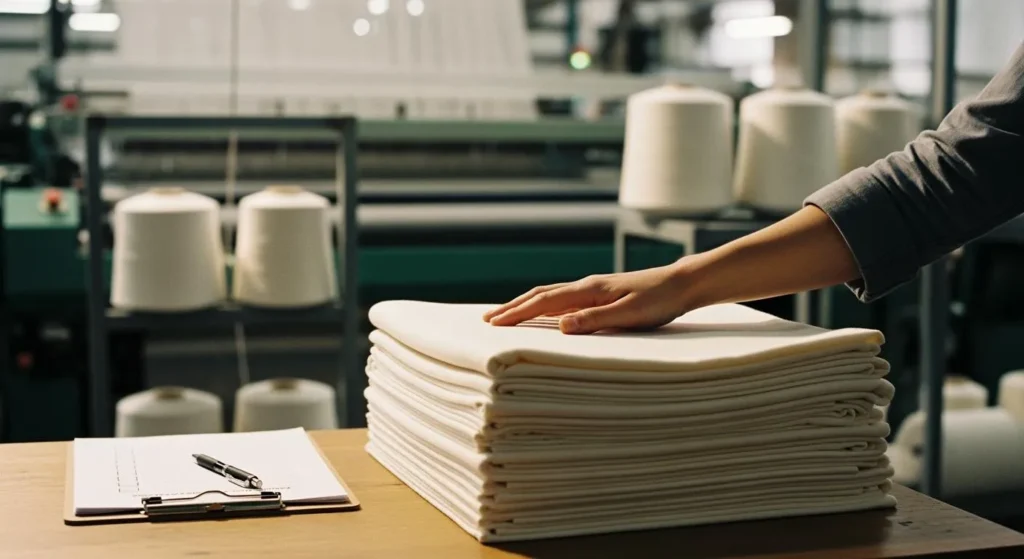
Sourcing cotton blankets directly from a cotton blanket factory offers buyers a cost-effective way to secure high-quality products. Technological advancements in textile manufacturing, such as automation and eco-friendly processes, allow factories to deliver consistent value and meet strict quality standards. VEKEN stands out as a trusted manufacturer, recognized for its reliability and commitment to customer satisfaction.
Common challenges in direct sourcing, such as environmental impacts and supply chain issues, can be overcome through sustainable practices and strong supplier relationships.
|
Challenge |
Solution |
|---|---|
|
Environmental impacts of conventional cotton |
Transition to organic, regenerative, and recycled cotton to improve environmental outcomes. |
|
Supply chain issues |
Establish direct, long-term relationships with farmers to enhance supply chain transparency. |
|
Consumer demand fluctuations |
Support farmers through sustainable sourcing and investment in agricultural practices. |
Key Takeaways
-
Sourcing cotton blankets directly from factories can save money and ensure high quality. Look for manufacturers with strong reputations like VEKEN.
-
Always check for OEKO-TEX® certification to guarantee that cotton blankets are safe and environmentally friendly. This certification adds credibility to your purchase.
-
Perform simple tests on cotton fabric, such as opacity and weight checks, to ensure you are buying high-quality blankets. This helps avoid low-quality options.
-
Establish strong relationships with suppliers to improve supply chain transparency and ensure consistent quality. Good communication leads to better support.
-
Plan your budget carefully and negotiate pricing based on order size. Understanding bulk pricing models can help you secure the best deals.
Material Quality
Cotton Fabric Standards
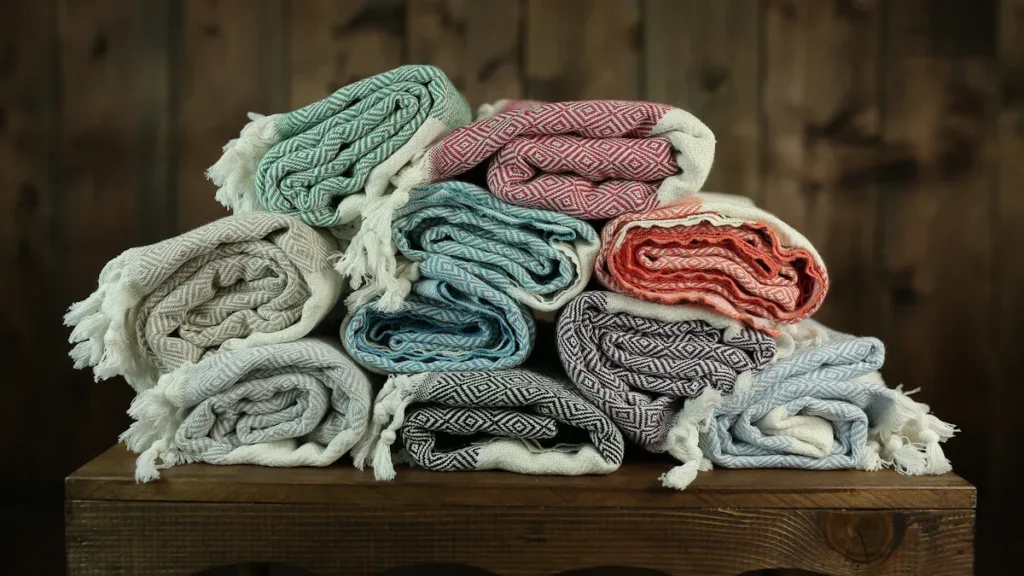
Selecting high-quality cotton blankets starts with understanding the essential fabric standards. Buyers should evaluate several indicators to ensure the cotton meets industry benchmarks for durability, comfort, and performance. The following table outlines key tests and what they reveal about the cotton used in blankets:
|
Indicator/Test |
Quality Cotton Indicators |
Poor Cotton Indicators |
|---|---|---|
|
Opacity |
Appropriate opacity for weight, tight and even weave |
Very sheer, loose weave with visible gaps |
|
Wrinkle Test |
Moderate wrinkling, maintains structure |
No wrinkles (chemical treatment) or excessive wrinkling |
|
Surface Test |
Smooth, even surface, minimal fuzz or pilling |
Fuzzy or pilling, uneven surface |
|
Weight Test |
Substantial weight appropriate for garment type |
Feels paper-thin, flimsy |
|
Fiber Length/Variety |
Specific variety named (e.g., Supima, Egyptian) |
No fiber length or variety specified |
|
Thread Count |
Reasonable thread count (200-600) |
Very high thread count (800+) without fiber details |
|
Price |
Realistic pricing reflecting quality |
Extremely cheap price indicating low quality |
Buyers can perform simple tests to assess cotton fabric standards:
-
Opacity Test: Hold the blanket up to the light to check for a tight, even weave.
-
Wrinkle Test: Scrunch the fabric and observe how it responds.
-
Surface Test: Run a hand over the surface to check for smoothness and minimal pilling.
-
Weight Test: Feel the blanket to ensure it has a substantial, comfortable weight.
These steps help buyers identify premium cotton and avoid low-quality alternatives. For more details on cotton standards, resources like Cotton Incorporated provide valuable insights.
Tip: Always request detailed product specifications and fabric samples before placing a bulk order. This ensures the cotton meets your expectations for quality and performance.
OEKO-TEX® Certification
Factories that produce high-quality cotton blankets often hold OEKO-TEX® certification. This international standard guarantees that every component of the blanket, from the cotton fibers to the dyes, meets strict safety and environmental requirements. The table below summarizes the main aspects of OEKO-TEX® certification:
|
Aspect |
Description |
|---|---|
|
Testing for Harmful Substances |
Every component of the bedding is rigorously tested for harmful substances. |
|
Chemical Restrictions |
The certification restricts harmful chemicals like formaldehyde, heavy metals, and pesticides. |
|
Sustainable Practices |
It assesses environmentally friendly production techniques and responsible chemical usage. |
Factories like VEKEN use OEKO-TEX® certified cotton to ensure their blankets are safe for end users and environmentally responsible. This certification also signals to B2B buyers that the products meet international market requirements. Learn more about OEKO-TEX® standards at the official OEKO-TEX® website.
🛡️ Note: OEKO-TEX® certification adds credibility and peace of mind for buyers seeking reliable, high-quality cotton blankets.
Advanced Weaving Techniques
The weaving process plays a critical role in the durability and comfort of cotton blankets. Leading factories invest in advanced weaving machines and computer-controlled looms to achieve consistent results. These technologies offer several advantages:
-
Advanced weaving machines use less energy and produce less waste, supporting sustainable manufacturing.
-
Computer-controlled looms create precise patterns, reducing mistakes and material waste.
-
Techniques used by VEKEN, such as Raschel and jacquard weaving, result in blankets that resist pilling and fraying.
-
These methods allow for custom designs and sizes, producing stronger, longer-lasting cotton blankets.
Buyers should always test fabric samples before committing to a bulk purchase. Recommended methods include:
-
Request a lab dip report or fabric test report from the manufacturer.
-
Test for dimensional stability by marking a specific area and measuring shrinkage after washing.
-
Evaluate color fastness using a gray scale rating system.
-
Check for skewness to ensure the blanket maintains its shape after laundering.
Physical testing ensures the cotton fabric will perform well in real-world conditions. This step protects buyers from unexpected issues and supports long-term satisfaction with the final product.
🔍 Pro Tip: Partner with factories that offer sample services and transparent testing reports. This practice demonstrates a commitment to quality and builds trust in the supply chain.
For more information on advanced weaving and fabric testing, visit Textile World or explore VEKEN’s blanket collection.
Supplier Reliability
Factory Reputation
Buyers must evaluate the reputation of a cotton supplier before making any purchase. A reputable manufacturer demonstrates consistent performance and trustworthiness. The following table outlines key criteria for assessing factory reputation:
|
Criteria |
Description |
|---|---|
|
Compliance & Certification Standards |
Suppliers should hold certifications like OEKO-TEX Standard 100 and ISO 9001. |
|
Production Capacity & Infrastructure |
Large, well-equipped facilities indicate scalability and quality control. |
|
On-Time Delivery Performance |
Reliable suppliers maintain documented on-time delivery rates above 95%. |
|
Communication Responsiveness |
Efficient suppliers respond within four hours on average. |
|
Quality Verification Processes |
Physical samples and third-party lab tests confirm product quality. |
|
Reorder Rate & Customer Retention |
High reorder rates, above 20%, reflect customer satisfaction. |
VEKEN stands out among manufacturers with an AAA credit rating. This rating signals financial stability, a long history of successful operations, and trust from banks and partners. These factors help buyers identify the right supplier for their needs.
Consistency and Quality Control
Consistent quality is essential when choosing a cotton supplier. Reputable manufacturers implement multi-tiered quality control measures throughout production. The following table shows typical quality control stages:
|
Stage of Production |
Quality Control Measures |
|---|---|
|
Pre-Production Quality Assurance |
Material inspection, supplier audits, and prototype review. |
|
In-Process Quality Control (IPQC) |
Inline inspections, workmanship checks, and process compliance. |
|
Final Product Inspections |
Pre-shipment inspections, packaging verification, and regulatory testing. |
VEKEN uses these methods to ensure every blanket meets strict quality standards. Buyers should request physical samples and lab reports to verify quality before placing bulk orders. Choosing the right supplier guarantees consistent results and reduces risk.
Communication and Support
Effective communication is vital when working with a cotton supplier. Buyers benefit from responsive support, clear updates, and reliable after-sales service. After-sales support includes quality checks before shipment, flexible logistics, customs assistance, and ongoing communication. VEKEN provides these services to help buyers resolve issues quickly and maintain satisfaction.
Buyers should select the right supplier who offers prompt responses and comprehensive support. This approach ensures smooth transactions and builds lasting business relationships.
📝 Tip: Always check factory reviews and ratings to confirm supplier reliability and quality control practices.
Pricing and Negotiation
Bulk Pricing Models
Factories use different pricing models for bulk blanket sourcing. Buyers often encounter tiered pricing, where the unit price decreases as order quantity increases. This model benefits wholesale buyers seeking cost-effective solutions. The following table compares common pricing structures:
|
Order Quantity |
Unit Price (USD) |
Discount Rate |
|---|---|---|
|
100-499 |
$12.00 |
0% |
|
500-999 |
$10.50 |
12.5% |
|
1000+ |
$9.80 |
18.3% |
Factories like VEKEN offer transparent pricing for bulk orders. Buyers should request detailed quotes and compare pricing across suppliers. This approach ensures the best value for wholesale purchases.
💡 Tip: Always clarify minimum order requirements and ask about seasonal promotions that may affect price.
Negotiation Strategies
Effective negotiation helps buyers secure favorable terms in bulk blanket sourcing. Buyers should establish clear objectives, such as flexible payment terms and quality guarantees. Researching market prices sets realistic benchmarks for negotiations. The following strategies improve outcomes:
-
Request better pricing for larger deposits or faster payments.
-
Lock in price to avoid currency fluctuations.
-
Negotiate payment terms for additional discounts.
-
Identify non-negotiables and areas for flexibility.
-
Prepare for supplier objections with data and alternative proposals.
-
Consider timing; suppliers may offer deals during slow business cycles.
Buyers who plan negotiation tactics foster collaboration and secure firm terms. VEKEN supports transparent negotiations and offers flexible payment options for wholesale orders.
Budget Planning
Budget planning protects buyers from hidden costs and maximizes cost-effective purchasing. Buyers should research and select reliable suppliers with strong reputations. Negotiating the best deals for bulk blanket sourcing reduces expenses. Logistics and inventory management play a key role in minimizing costs. Buyers should plan storage needs and evaluate shipping options. Ordering in advance allows buyers to take advantage of seasonal deals and avoid inventory issues during peak demand.
🛡️ Note: Careful budget planning ensures buyers avoid unexpected expenses and maintain profitability in wholesale transactions.
For more information on pricing and negotiation, visit VEKEN’s blanket collection.
Logistics and Packaging
Shipping Solutions
Selecting the right shipping method impacts both cost and delivery reliability for cotton blanket orders. Factories like VEKEN offer several logistics options to suit different business needs. The table below compares common shipping methods:
|
Shipping Method |
Speed |
Cost |
Best Use |
|---|---|---|---|
|
Air |
3–7 days |
Very High |
Samples, rush replenishment |
|
Rail |
12–22 days |
Medium |
EU shipments |
|
Sea (FCL) |
25–45 days |
Low |
Large orders |
|
Sea (LCL) |
30–55 days |
Medium |
Medium volumes |
VEKEN’s VIP shipping service ensures reliable delivery and priority handling for bulk orders. Choosing the right method depends on order size, urgency, and destination. Air freight works best for urgent samples, while sea freight offers cost savings for large shipments.
Smart Packaging
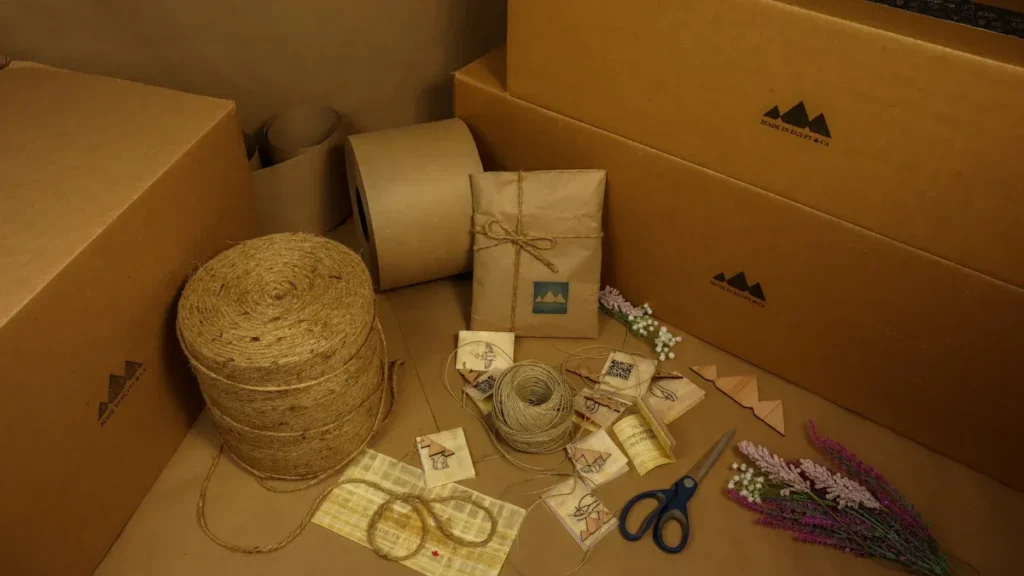
Proper packaging protects cotton blankets from damage during transit. Smart packaging solutions include moisture-proof polybags, vacuum sealing, and silica gel packets. For example, a German textile wholesaler once lost 40% of their shipment to moisture damage during a monsoon. After switching to vacuum packing and adding silica gel, they reported zero complaints. Factories now use thick polybags, double-layer film wrapping, and avoid wooden pallets in wet seasons. These methods keep blankets safe from dust, moisture, and compression, ensuring they arrive in excellent condition.
Tip: Request pre-loading photos to confirm container dryness before shipment.
Delivery Timelines
Managing delivery timelines requires clear communication with the manufacturer. Buyers should discuss order volume and preferred delivery dates early in the process. Lead times can vary based on order complexity and raw material availability. Requesting a detailed production schedule helps with inventory planning and reduces the risk of delays. Tracking systems allow buyers to monitor shipments and adjust plans as needed.
-
Discuss forecasted order volume and delivery timelines with the supplier.
-
Understand that lead times may change due to production or shipping factors.
-
Ask for regular updates and tracking information to stay informed.
For more wholesale textile tips, buyers should prioritize logistics planning and proactive communication to ensure smooth, on-time deliveries.
Choosing a Cotton Blanket Factory
Selecting the right cotton blanket factory determines the long-term success of any wholesale or retail business. Buyers must evaluate several factors, including factory standards, customization capabilities, and sample services. These elements ensure that the cotton blankets meet market demands for quality, safety, and cost-effective home textiles.
VEKEN Factory Standards
The best suppliers in the cotton industry maintain strict standards for quality and safety. Buyers should look for factories that hold certifications such as OEKO-TEX® and ISO9001. These certifications confirm that the cotton blankets are free from harmful substances and produced with environmental responsibility. VEKEN stands out as a cotton blanket factory that meets these requirements. The company uses advanced Japanese technology and high-quality fibers to produce soft, strong, and safe cotton blankets.
Key standards to consider when choosing a cotton blanket factory include:
-
OEKO-TEX® certification for product safety and environmental compliance
-
ISO9001 certification for consistent quality management
-
Use of advanced weaving technology for durability and comfort
-
Transparent sourcing of cotton to support sustainability
-
Strong production capacity to fulfill large orders on time
Factories that meet these standards, like VEKEN, deliver reliable and cost-effective home textiles for global markets. Buyers can verify certifications by requesting official documents or checking listings on certification websites. For more information on textile certifications, visit OEKO-TEX® and ISO.
🏭 Tip: Always confirm that the cotton blanket factory has up-to-date certifications and a proven track record in the industry.
Customization Options
Customization plays a vital role in meeting the unique needs of different markets. The best suppliers offer a wide range of options for cotton blankets, allowing buyers to select sizes, colors, and patterns that align with their brand or seasonal trends. VEKEN provides extensive customization services, making it easier for businesses to stand out in competitive markets.
The table below highlights how customization options add value for buyers:
|
Customization Aspect |
Benefit for Market |
|---|---|
|
Sizes |
Aligns with buyer needs for specific dimensions |
|
Colors |
Matches branding or seasonal themes |
|
Patterns |
Enhances aesthetic appeal and personalization |
A cotton blanket factory with strong customization capabilities can produce blankets for holidays, outdoor sports, or pet use. This flexibility supports market expansion and helps buyers respond quickly to changing consumer preferences. VEKEN’s design team collaborates with clients to develop exclusive patterns and colorways, ensuring each product fits the target audience.
🎨 Note: Customization not only increases product appeal but also strengthens brand identity in the cotton market.
Sample Services
Sample services are essential for buyers who want to assess quality before placing large orders. The best suppliers provide physical samples and detailed product specifications. VEKEN offers sample services that allow buyers to test cotton blankets for softness, durability, and colorfastness. This process reduces risk and builds trust between buyers and the cotton blanket factory.
Buyers should request samples to:
-
Evaluate the feel and weight of the cotton fabric
-
Test for shrinkage, pilling, and color retention after washing
-
Compare different weaving techniques and finishes
-
Confirm that the final product matches design requirements
Sample services also demonstrate the factory’s commitment to transparency and customer satisfaction. VEKEN’s responsive support team guides buyers through the sampling process, ensuring all questions receive prompt answers.
📦 Pro Tip: Always test samples from multiple factories to identify the best suppliers for your business.
A cotton blanket factory with robust sample services, strong certifications, and advanced customization options will help buyers secure high-quality, cost-effective home textiles. These factors support sustainability and long-term growth in the cotton industry. For more details on VEKEN’s capabilities, explore the blanket collection or contact their team for personalized support.
Future-Proofing Purchases
Versatile Designs
Selecting cotton blanket designs that appeal to a wide range of markets helps businesses stay competitive and adaptable. Buyers should prioritize patterns, colors, and finishes that suit both classic and contemporary tastes. Cotton’s natural versatility supports this approach:
“Cotton’s natural versatility allows us to explore new weaves, finishes and layering techniques that elevate both comfort and functionality.”
“Cotton’s natural breathability and resilience make it an ideal choice for lasting comfort, allowing our customers to enjoy high-quality linens that hold up beautifully with use.”
“The dyes used for printing get absorbed well and look the most vibrant on pure cotton.”
By choosing neutral tones, timeless patterns, and vibrant prints, buyers can address diverse consumer preferences. Layered textures and innovative weaves also add value, making products suitable for various climates and uses. This strategy ensures that inventory remains relevant across seasons and markets.
Market Trends
Staying ahead of market trends is essential for future-proofing cotton blanket purchases. The demand for sustainable and organic cotton blankets continues to rise as consumers become more environmentally conscious. Buyers should focus on sourcing products that align with these preferences. Sustainable offerings not only meet current demand but also position businesses for long-term growth.
With the growing popularity of organic cotton, companies that prioritize eco-friendly materials and transparent sourcing gain a competitive edge. Monitoring seasonal trends, such as color palettes and design motifs, allows buyers to adjust their product lines quickly. For more insights on sustainable textile trends, visit Textile Exchange.
🛒 Tip: Plan inventory around seasonal demand and emerging trends to maximize sales and minimize excess stock.
Long-Term Partnerships
Building strong, long-term relationships with reliable factories like VEKEN offers significant advantages for B2B buyers. The table below highlights key benefits:
|
Benefit |
Description |
|---|---|
|
Enhanced Innovation |
VEKEN integrates advanced technology into blanket production, ensuring comfort and durability. |
|
Quality Assurance |
Multi-tiered quality control maintains high product standards. |
|
Responsive Customer Service |
Flexible MOQs, sample services, and after-sales support ensure smooth transactions. |
|
Strong Export Capabilities |
Daily output exceeding 5,000 blankets and robust logistics guarantee timely delivery. |
Consistent collaboration with trusted suppliers leads to better pricing, priority production slots, and access to the latest product innovations. Buyers who invest in these partnerships secure a stable supply chain and can respond quickly to changing market needs.
🤝 Note: Long-term partnerships with established factories like VEKEN help businesses adapt to market shifts and maintain a reliable source of high-quality cotton blankets.
Buyers can secure high-quality cotton blankets by following proven strategies. They should:
-
Prioritize material efficiency with durable fabrics.
-
Streamline logistics using smart packaging.
-
Leverage tiered pricing for volume discounts.
-
Verify certifications for long-term value.
-
Partner with full-service manufacturers to avoid markups.
Factory-direct sourcing delivers cost savings, reliable quality, and flexible customization. VEKEN stands out as a trusted supplier with advanced manufacturing and responsive support.
|
Method |
Details |
|---|---|
|
Phone |
|
|
|
|
|
Address |
Floor 18, Yuehu Jinhui Tower, 225 Liuting Street Haishu District, Ningbo, China 315010 |
FAQ
What are the main benefits of buying cotton blankets directly from a factory?
Factories offer lower prices, consistent quality, and flexible customization. Buyers can negotiate bulk rates and receive direct support. This approach streamlines the supply chain and ensures reliable delivery for wholesale or retail businesses.
How can buyers verify the quality of factory-direct cotton blankets?
Buyers should request OEKO-TEX® certificates, review sample reports, and test physical samples. They can check for durability, colorfastness, and softness. Reliable factories like VEKEN provide transparent documentation and support.
What is the typical minimum order quantity (MOQ) for custom cotton blankets?
Most factories set MOQs based on material and design. For example, VEKEN often requires 100–500 pieces per style. Buyers should confirm MOQs before placing orders to plan inventory and budget effectively.
How long does production and shipping usually take for bulk cotton blanket orders?
Production times range from 15 to 45 days, depending on order size and customization. Shipping by sea may add 25–55 days. Buyers should discuss timelines with the factory and request tracking for accurate delivery estimates.
Can buyers request custom designs or branding on cotton blankets?
Yes. Leading manufacturers like VEKEN offer custom sizes, patterns, and branding. Buyers can submit artwork or collaborate with the factory’s design team to create exclusive products for their market.