
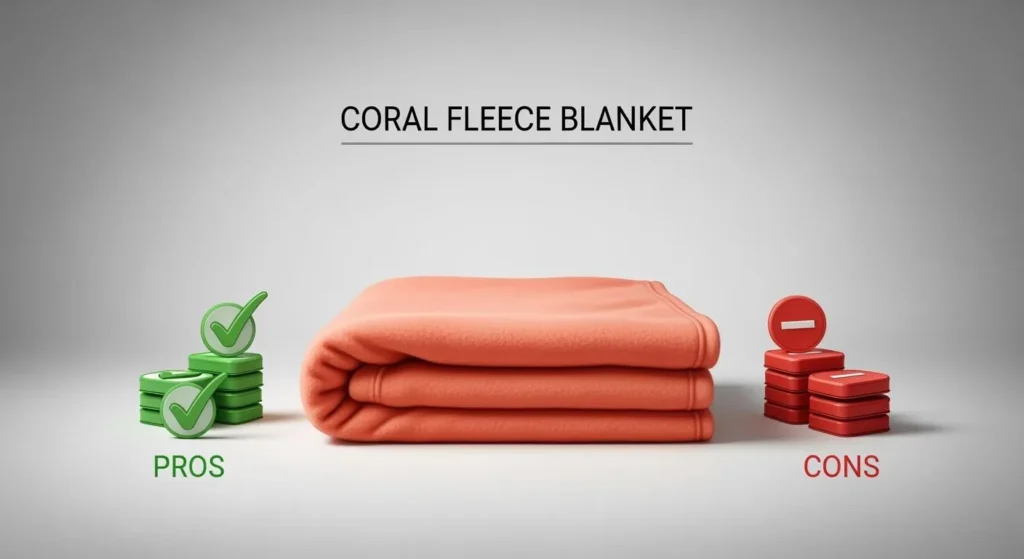
A coral fleece blanket offers a soft feel, good warmth, and easy care at a budget-friendly price, but it does come with some trade-offs. People often find these blankets cosy and practical, though they may notice limits in breathability and versatility. Here is a quick look at the main pros and cons:
Pros | Cons |
|---|---|
Soft, pleasant texture | Not as breathable as natural fibres |
Machine-washable and easy to care for | Limited temperature washing |
Affordable for most budgets | Less versatile for all seasons |
Key Takeaways
Coral fleece blankets are soft and warm, making them perfect for comfort during colder months.
They are machine-washable and easy to care for, saving time for busy households and businesses.
These blankets are affordable, providing great value for both personal use and bulk purchases.
Coral fleece is hypoallergenic, making it a safe choice for people with sensitive skin or allergies.
Consider the breathability limits of coral fleece, as it may not be suitable for warmer climates.
What Is a Coral Fleece Blanket?
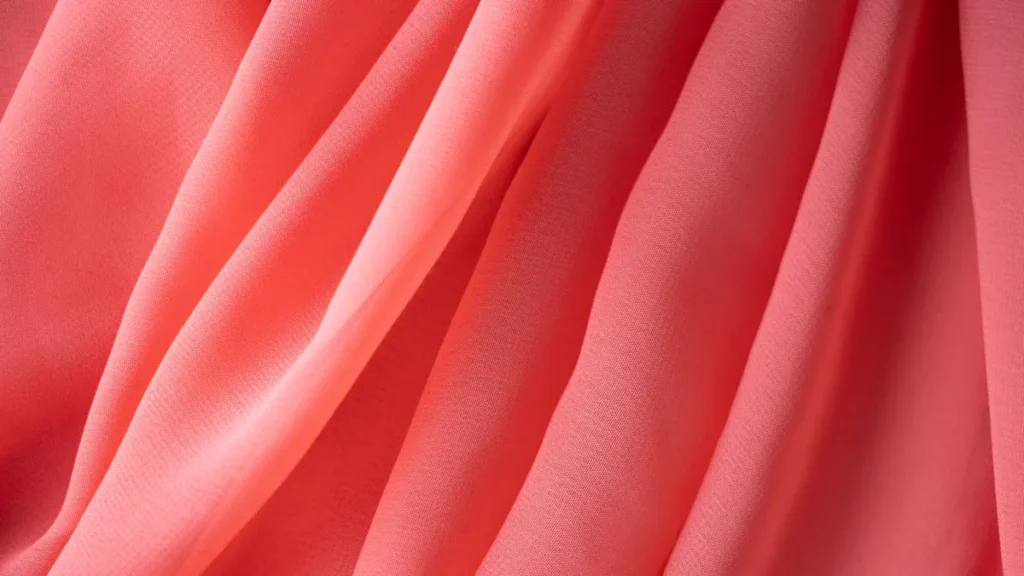
A coral fleece blanket stands out for its plush texture and practical benefits. Many people choose this type of blanket for its warmth, softness, and easy care. Businesses in the textile industry often select coral fleece for its versatility and cost-effectiveness, especially when supplying hotels, hospitals, or retail stores.
Close-up of coral fleece fabric texture 🛏️
For a detailed explanation of coral fleece, you can visit Textile Learner’s guide on coral fleece.
Key Features of Coral Fleece
Coral fleece fabric is known for its unique qualities that make it a popular choice in both homes and commercial settings. Here are some of the main features:
Super soft and velvety surface, giving a luxurious feel.
Made from 100% recycled plastic yarn, supporting eco-friendly practices.
Lightweight yet provides excellent warmth.
Machine washable at 40 degrees, making it easy to maintain.
Designed for extra durability, suitable for both indoor and outdoor use.
High tensile strength yarn helps reduce shedding of microfibres.
This fleece fabric is often used in B2B scenarios, such as bulk orders for hotels or custom branding for promotional gifts. Companies value its combination of comfort, durability, and low maintenance.
How Coral Fleece Blankets Are Made
Manufacturers use advanced techniques to produce coral fleece blankets. The process usually involves:
Spinning recycled plastic into fine yarn.
Weaving or knitting the yarn into dense fleece fabric.
Brushing the surface to create a soft, fluffy pile.
Applying quality checks to ensure strength and minimise shedding.
Focusing on positive environmental impact throughout production.
This method results in a fleece fabric that feels soft, lasts longer, and meets the needs of both individual consumers and large-scale buyers. Many companies choose coral fleece blankets for their ability to withstand frequent washing and heavy use, making them ideal for hospitality and healthcare industries.
Pros of Coral Fleece Blankets
Comfort and Softness
A coral fleece blanket stands out for its exceptional softness. Many people notice the plush feel as soon as they touch the fabric. This softness makes fleece blankets ideal for those who want a gentle touch against their skin. The surface feels velvety, which adds to the overall comfort. Hotels and healthcare providers often choose coral fleece blankets for this reason. The softness remains even after several washes, making these blankets a reliable choice for everyday use. 🛏️
Warmth and Insulation
Fleece blankets provide impressive warmth without feeling heavy. The dense fibres trap heat, which helps keep users cosy during colder months. Coral fleece blankets are ideal for bedrooms, lounges, or even outdoor events where warmth is needed. The warmth and comfort offered by these blankets make them a popular option for both homes and businesses. The insulation properties of fleece help maintain a steady temperature, so users stay comfortable throughout the night. Learn more about fleece insulation from Textile Learner.
Lightweight and Easy Care
One of the main benefits of using fleece is its lightweight nature. People can easily carry these blankets from room to room or pack them for travel. Fleece blankets are also simple to care for. They are machine-washable and dry quickly, which saves time and effort. This easy care routine is ideal for busy households and commercial settings. The blankets resist wrinkles and keep their shape, even after frequent washing.
Affordability and Value
Coral fleece blankets are affordable, making them accessible for most budgets. The combination of low cost and high quality gives excellent value. Businesses that need to buy in bulk, such as hotels or care homes, find these blankets cost-effective. The durability of fleece means the blankets last longer, so replacements are needed less often. This adds to the overall value and reduces long-term costs.
Hypoallergenic Qualities
Fleece blankets are ideal for people with sensitive skin or allergies. The material does not trap dust mites or allergens easily. This makes coral fleece blankets a safe choice for children, the elderly, or anyone with allergies. The hypoallergenic nature of fleece adds another layer of comfort and peace of mind.
VEKEN Blanket Quality and Certification
VEKEN uses advanced weaving techniques, such as Raschel and jacquard, to create blankets with high durability and intricate designs. Their coral fleece blankets are OEKO-TEX® certified, which means they meet strict safety and environmental standards. The recycled plastic yarn used in these blankets offers both softness and strength. These blankets withstand the demands of busy households and commercial use, showing less shedding and maintaining their feel over time. VEKEN’s focus on quality control ensures each blanket is ideal for a wide range of needs. 🏆
Tip: For B2B buyers, the benefits of using fleece include easy customisation, reliable supply, and consistent quality, making coral fleece blankets ideal for hotels, hospitals, and promotional gifts.

Explore more about OEKO-TEX® certification.
Cons of Coral Fleece Blankets
When looking at the pros and cons of a coral fleece blanket, it helps to understand where fleece falls short. While many people love the comfort and value, some drawbacks can affect both home users and B2B buyers.
Breathability Limits 🫧
Fleece traps warmth well, but it does not breathe like natural fibres. This means air does not flow through the blanket as easily. People may feel too warm or sweaty, especially in heated rooms or during warmer months. In hotels or hospitals, guests might prefer a more breathable option for year-round comfort. Businesses should consider this when choosing blankets for different climates or seasons. For more on fabric breathability, see Textile School’s guide.
Static and Cling ⚡
Fleece often builds up static electricity, especially in dry environments. This can cause the blanket to cling to clothes or skin. Some users find this annoying, as it attracts dust and pet hair. In busy settings like care homes or hotels, static can make laundry more challenging. Staff may notice more lint or hair sticking to the blanket, which means extra cleaning. Static is a common issue with synthetic fibres, not just fleece.
Environmental Considerations 🌱
Fleece is usually made from synthetic materials, such as polyester. While some coral fleece blankets use recycled plastic, the production and washing of fleece can release microplastics into the environment. This is a growing concern for eco-conscious businesses and consumers. Companies looking to boost their sustainability profile may want to weigh these pros and cons before making a bulk purchase. For more details on microplastics and textiles, visit Plastic Soup Foundation.
Note: Fleece offers many benefits, but these material limitations can impact comfort, maintenance, and sustainability in real-world use.
Comparison of Different Fleece Blanket Types

Choosing the right blanket can feel overwhelming with so many options. This comparison of different fleece blanket types helps clarify the differences between coral fleece, microfleece, cotton, wool, and traditional fleece. Each material offers unique benefits for comfort, warmth, durability, and care. Let’s break down the details so you can decide which is the best fleece blanket for your needs.
Coral Fleece vs Microfleece
Coral fleece and microfleece both belong to the synthetic fleece family, but they serve different purposes. Coral fleece blanket stands out for its plush, velvety texture and thicker pile. Microfleece, on the other hand, feels lighter and thinner. People often choose microfleece blankets for layering or for use in warmer climates.
Feature | Coral Fleece Blanket | Microfleece Blanket |
|---|---|---|
Texture | Plush, velvety, thick | Smooth, thin, lightweight |
Warmth | High, traps heat well | Moderate, more breathable |
Weight | Heavier feel | Very lightweight |
Durability | Strong, resists pilling | Good, but can pill over time |
Care | Easy, quick drying | Very easy, dries fastest |
Best Use | Lounging, winter, gifts | Travel, layering, summer |
Microfleece works well for people who want a blanket that packs small and dries quickly. Coral fleece suits those who want a cosier, more luxurious feel. Both types of fleece blankets resist wrinkles and are simple to wash. For B2B buyers, microfleece is ideal for lightweight travel products, while coral fleece fits premium hospitality or home use.
Tip: Microfleece and coral fleece both offer hypoallergenic properties, making them suitable for sensitive users.
Coral Fleece vs Cotton
Cotton blankets have a long history in bedding. They feel soft and natural, but they do not match the warmth of fleece. Coral fleece blanket provides better insulation and a softer touch. Cotton breathes better, which helps regulate temperature in warmer months.
Feature | Coral Fleece Blanket | Cotton Blanket |
|---|---|---|
Comfort | Very soft, plush | Soft, natural |
Warmth | Excellent | Moderate |
Breathability | Moderate | High |
Durability | Long-lasting, resists wear | Can shrink, less durable |
Care | Machine washable, quick drying | Machine washable, slow drying |
Allergen Resistance | Hypoallergenic | Can trap dust mites |
Cotton works well for those who want a breathable, all-season option. Coral fleece suits colder environments or users who want extra softness. For B2B, cotton is often chosen for summer bedding, while coral fleece is popular in hotels and care homes for winter comfort.
Coral Fleece vs Wool
Wool blankets have a reputation for natural warmth and moisture-wicking. They insulate well, even when damp. Coral fleece blanket offers similar warmth but feels lighter and softer. Wool can feel scratchy for some users, while fleece remains gentle on the skin.
Feature | Coral Fleece Blanket | Wool Blanket |
|---|---|---|
Comfort | Soft, gentle | Can be itchy |
Warmth | High | Very high |
Weight | Lightweight | Heavier |
Moisture Handling | Dries quickly | Absorbs moisture, slow drying |
Care | Machine washable, easy | Needs special care, air drying |
Allergen Resistance | Hypoallergenic | Can cause allergies |
Wool suits outdoor use and cold climates, but coral fleece offers easier care and a softer touch. For B2B, wool is often used in luxury or heritage settings, while coral fleece is chosen for easy maintenance and comfort.
Coral Fleece vs Traditional Fleece
Traditional fleece includes types like polar, sherpa, and berber. Each has its own texture and use case. Coral fleece blanket feels softer and more luxurious than standard polar fleece blankets. Sherpa fleece blankets mimic the look and feel of sheepskin, while berber fleece has a curly, textured surface.
Feature | Coral Fleece Blanket | Polar Fleece Blanket | Sherpa Fleece Blanket | Berber Fleece Blanket |
|---|---|---|---|---|
Texture | Plush, velvety | Smooth, dense | Fluffy, wool-like | Curly, textured |
Warmth | High | High | Very high | High |
Weight | Medium | Medium | Heavy | Medium |
Durability | Strong, resists pilling | Good, can pill | Durable, thick | Durable, thick |
Care | Easy, quick drying | Easy, quick drying | Needs gentle washing | Needs gentle washing |
Polar fleece blankets are popular for outdoor sports and camping. Sherpa and berber fleece work well for throws and decorative blankets. Coral fleece suits those who want a balance of softness, warmth, and easy care.
Note: For more on the types of fleece blankets, see Good Housekeeping’s guide to fleece blankets.
VEKEN Blanket Options
VEKEN offers a wide range of fleece blankets to suit different needs. Their collection includes coral fleece, microfleece, polar, sherpa, and berber options. Each blanket uses advanced weaving techniques for durability and comfort. VEKEN’s Raschel and jacquard weaves create intricate patterns and strong fabrics.
Coral fleece: Best for softness and warmth in hospitality or home settings.
Microfleece: Ideal for lightweight travel or layering.
Polar: Great for outdoor sports, camping, or colder climates.
Sherpa: Perfect for decorative throws or extra warmth.
Berber: Suits those who want a textured, cosy feel.
VEKEN supports customisation for B2B clients. Businesses can choose size, colour, pattern, and branding. The company also provides guidance on how to care for your fleece blankets, including tips for washing and drying to maintain quality.
VEKEN’s OEKO-TEX® certified blankets meet strict safety and environmental standards. Their daily output and reliable delivery make them a trusted partner for bulk orders.
For more details on VEKEN’s full range, visit the VEKEN blanket collection.
Application Scenarios for B2B
Hotels and resorts: Coral fleece and sherpa add luxury to guest rooms.
Hospitals and care homes: Microfleece and polar provide warmth and easy care.
Retail and promotional: Berber and coral fleece work well for branded gifts.
Outdoor and sports: Polar fleece blankets offer warmth for events and camping.
Remember: Always check care labels for washing and drying instructions. Proper care extends the life of all fleece blankets.
Quick Reference Table
Blanket Type | Comfort | Warmth | Durability | Care (Washing/Drying) | Best Use |
|---|---|---|---|---|---|
Coral Fleece | Plush | High | Strong | Easy/Quick | Home, hotels, gifts |
Microfleece | Smooth | Moderate | Good | Very Easy/Fast | Travel, layering |
Polar | Dense | High | Good | Easy/Fast | Outdoor, sports |
Sherpa | Fluffy | Very High | Durable | Gentle/Slow | Throws, luxury |
Berber | Textured | High | Durable | Gentle/Slow | Decorative, gifts |
Cotton | Soft | Moderate | Fair | Easy/Slow | Summer, all-season |
Wool | Itchy | Very High | Good | Special/Slow | Outdoor, heritage |
For more on fleece care, see The Spruce’s guide to washing fleece blankets.
Who Should Choose Coral Fleece?
Best Uses for Coral Fleece Blankets
Coral fleece blankets work well for anyone who values softness, warmth, and easy care. Many families use them for bedrooms, lounges, or as travel companions. Hotels and care homes often choose coral fleece for guest rooms because the blankets feel plush and look inviting. Businesses that need bulk blankets for promotional gifts or branded merchandise also find coral fleece a practical choice. The lightweight design makes these blankets easy to move, store, and wash. For B2B buyers, coral fleece blankets suit hospitality, healthcare, and retail sectors where comfort and durability matter most.
Tip: For more on how hotels use fleece blankets, see this case study on hospitality textiles. 🏨
When to Consider Other Materials
Some situations call for different blanket materials. Cotton blankets suit those who want maximum breathability and a natural feel, especially in warmer climates. Wool works best for outdoor use or in very cold environments, offering extra insulation and moisture-wicking. Microfleece blankets fit travellers or anyone needing a lightweight, compact option. Businesses in regions with hot weather or customers who prefer eco-friendly, natural fibres may want to explore alternatives to coral fleece.
Note: Always match the blanket material to the climate, user needs, and care requirements.
Why Choose VEKEN Blankets
VEKEN blankets stand out for their advanced weaving, OEKO-TEX® certification, and consistent quality. Many customers praise the durability and softness of VEKEN coral fleece blankets. The company offers customisation, fast delivery, and reliable after-sales support, making it a strong partner for B2B buyers.
VEKEN’s coral fleece blankets meet the needs of hotels, hospitals, and retailers looking for comfort, value, and custom options. For more details on customisation and bulk orders, visit the VEKEN blanket collection.
Choosing the right blanket helps businesses improve guest satisfaction and streamline operations. 🛏️
Coral fleece blankets suit those who want softness, warmth, and easy care at a good price. They work well in homes, hotels, and care settings. Some users may prefer other materials for breathability or eco reasons.
For most, coral fleece offers comfort and value. Think about your needs, climate, and care routine before choosing. VEKEN blankets provide reliable quality and custom options for many uses. 🛏️
FAQ
How do you wash a coral fleece blanket?
Machine wash coral fleece blankets at 40°C with mild detergent. Avoid bleach and fabric softeners. Tumble dry on low or air dry. The blanket keeps its softness after repeated washing.
Is coral fleece suitable for people with allergies?
Coral fleece resists dust mites and allergens. Many people with sensitive skin or allergies find it comfortable. The hypoallergenic properties make it a safe choice for homes and care settings.
Can coral fleece blankets be customised for branding?
Manufacturers like VEKEN offer customisation options. Businesses can choose colours, patterns, and add logos. Custom coral fleece blankets work well for hotels, hospitals, and promotional gifts.
What is the difference between coral fleece and microfleece?
Coral fleece feels thicker and more plush. Microfleece is lighter and smoother. Coral fleece suits colder climates and luxury settings. Microfleece works best for travel, layering, or warmer weather.
Are coral fleece blankets environmentally friendly?
Some coral fleece blankets use recycled plastic yarn. This reduces environmental impact. However, washing synthetic fleece may release microplastics. Eco-conscious buyers should check for recycled content and certifications.