The demand for reliable battery-powered starting solutions is increasing across automotive, commercial vehicles, outdoor equipment, and emergency power markets. Traditionally, lithium-ion batteries have dominated portable jump starters because of their high energy density and mature supply chain.
However, the development of sodium-ion battery technology has introduced a new option for applications that require improved safety, wider temperature adaptability, and stable raw material supply.
For B2B buyers searching for sodium battery jump starter advantages, understanding the differences between sodium-ion batteries and conventional lithium batteries is important for product development, sourcing decisions, and long-term market planning.
Veken, supported by Ningbo Veken Group’s manufacturing experience, operates its own textile factory and has established large-scale production capabilities. The company also provides OEM/ODM cooperation services and develops battery-related products through its industrial experience. More information about Veken’s company background can be found at:
Veken About Us
What Is a Sodium Battery Jump Starter?
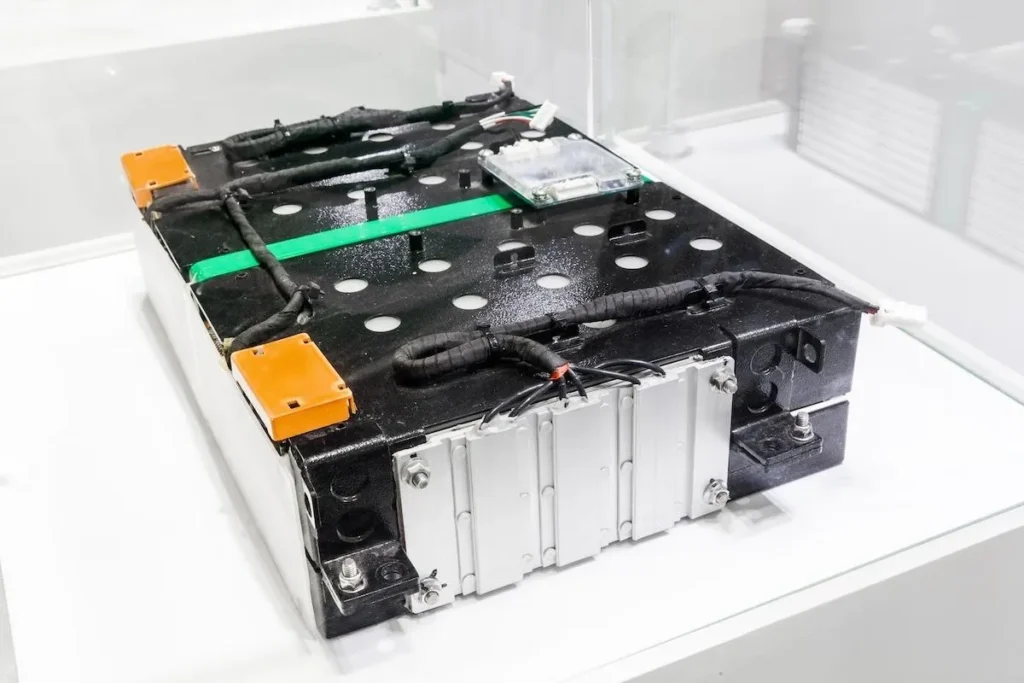
A sodium battery jump starter is a portable starting device that uses sodium-ion battery cells instead of traditional lithium-ion cells.
The main function remains the same:
🔋 Store electrical energy
⚡ Release high current output
🚗 Start vehicle engines during low battery conditions
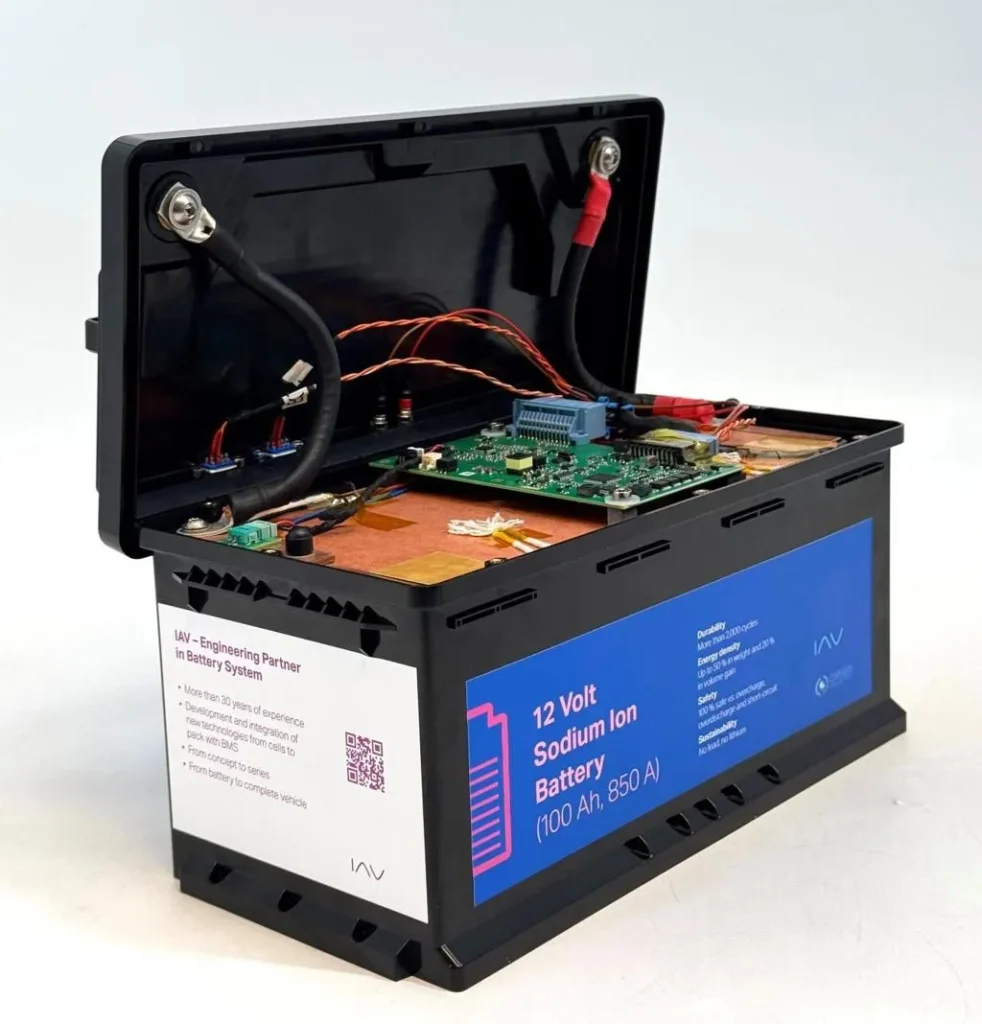
Sodium-ion batteries use sodium ions (Na⁺) as the charge carrier. Similar to lithium-ion batteries, they contain key components including:
- Cathode material
- Anode material
- Electrolyte
- Separator
- Battery management system (BMS)
The main difference is that sodium replaces lithium as the active ion.
According to research from organizations such as the International Energy Agency, sodium-ion technology is attracting attention because sodium resources are more widely available than lithium resources, supporting future battery diversification.
Key Advantages of Sodium Battery Jump Starters
1. Better Low-Temperature Performance ❄️
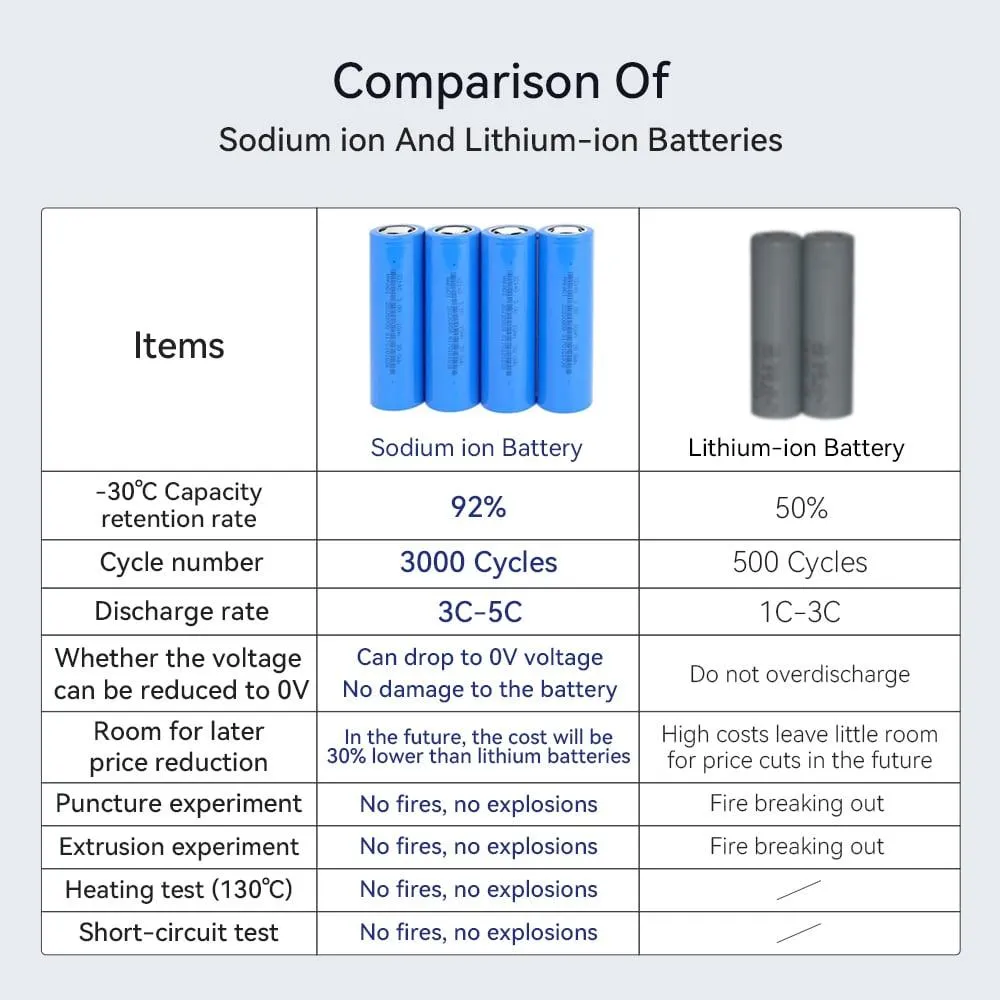
One of the most discussed advantages of sodium-ion batteries is their performance in cold environments.
Traditional lithium-ion batteries may experience:
- Reduced charging efficiency
- Lower power output
- Increased internal resistance
when temperatures drop significantly.
Sodium-ion batteries can maintain more stable operation in colder conditions, making them suitable for:
🚙 Winter vehicle emergency starting
🚜 Agricultural machinery
🚚 Commercial trucks operating in cold regions
🏕 Outdoor equipment
For industries where equipment must operate in changing climates, low-temperature battery performance is an important purchasing factor.
2. Higher Safety Potential 🔒
Safety is a critical requirement for portable power products.
Sodium-ion batteries provide several characteristics that attract attention:
| Feature | Sodium-Ion Battery | Traditional Lithium-Ion Battery |
|---|---|---|
| Main ion | Sodium (Na⁺) | Lithium (Li⁺) |
| Thermal stability | Generally considered stable | Requires strict thermal management |
| Resource availability | High | More limited |
| Supply chain diversity | Growing | Mature |
A safer battery design can reduce risks during:
- Transportation
- Storage
- Large-scale deployment
- Commercial use
For B2B buyers, battery safety affects product certification, logistics management, and customer confidence.
3. More Stable Raw Material Supply 🌍
Lithium battery production depends heavily on lithium, nickel, cobalt, and other materials.
Sodium-ion batteries use sodium, which is widely available from sources such as salt compounds.
Potential advantages include:
✅ Reduced dependence on limited lithium resources
✅ More diversified battery material supply
✅ Potential cost stability for future production
This makes sodium-ion technology attractive for manufacturers looking for alternative battery solutions.
4. Long Cycle Life for Frequent Use Applications 🔄
A jump starter used in commercial environments may experience frequent charging and discharging.
Important battery performance indicators include:
- Cycle life
- Capacity retention
- Charging efficiency
- Self-discharge rate
Sodium-ion batteries are being developed for applications requiring repeated operation, including:
- Automotive emergency power
- Backup energy systems
- Portable industrial equipment
Longer service life can help reduce replacement frequency and maintenance costs.
Sodium Battery Jump Starter vs Lithium Battery Jump Starter
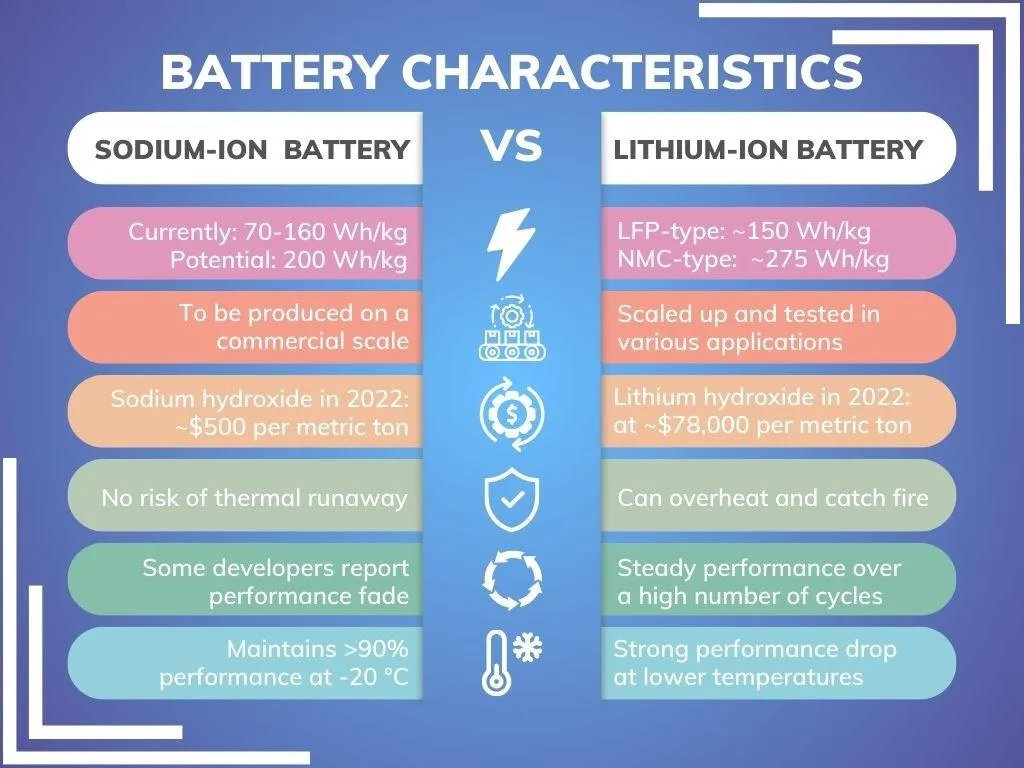
Technical Comparison
| Comparison Factor | Sodium Battery Jump Starter | Lithium Battery Jump Starter |
|---|---|---|
| Energy density | Currently lower | Higher |
| Cold temperature operation | Strong potential advantage | Performance may decrease |
| Material availability | High sodium availability | Lithium supply dependency |
| Technology maturity | Emerging market | Established market |
| Application focus | Safety, stability, cost optimization | High energy density products |
The choice depends on the application requirements.
For compact consumer products requiring maximum energy density, lithium batteries remain common.
For applications requiring safety, reliability, and wider environmental adaptability, sodium-ion batteries provide an alternative direction.
Real-World Applications of Sodium Battery Jump Starters
Automotive Emergency Starting 🚗
Vehicle owners, fleet operators, and roadside service providers require reliable starting equipment.
Potential application areas include:
- Passenger vehicles
- Delivery fleets
- Logistics vehicles
- Heavy-duty trucks
A sodium battery jump starter can provide emergency power while maintaining stable performance under challenging weather conditions.
Commercial and Industrial Equipment 🚜
Many industries operate equipment away from stable power sources.
Examples include:
- Construction equipment
- Agricultural machinery
- Mining vehicles
- Maintenance vehicles
Portable starting solutions with improved environmental adaptability can support operational continuity.
Outdoor and Backup Power Applications 🏕️
Outdoor users increasingly need dependable portable energy.
Applications include:
- Camping power equipment
- Emergency rescue tools
- Remote work sites
- Off-grid applications
Battery safety and reliability are key considerations for these scenarios.
How Veken Approaches Battery Product Development
Veken is part of Ningbo Veken Group and has manufacturing experience, its own textile factory, and the ability to support large-scale orders. The company provides OEM/ODM cooperation and works with customers requiring customized product solutions.
Veken’s battery-related product information is available through:
Veken Sodium Battery Solutions
For B2B customers, supplier evaluation usually includes:
✅ Manufacturing capability
✅ Production stability
✅ Quality management process
✅ Customization support
✅ Communication efficiency
Veken’s experienced team supports international business cooperation and large-volume manufacturing requirements.
Future Outlook of Sodium Battery Jump Starter Technology
The global battery industry is moving toward more diversified technologies.
Sodium-ion batteries are unlikely to completely replace lithium-ion batteries in every application. Instead, they are expected to complement lithium technology in markets where factors such as:
- Safety
- Temperature adaptability
- Resource availability
- Cost control
are especially important.
For B2B companies exploring portable power products, automotive accessories, and energy storage solutions, sodium battery jump starters represent a technology direction worth monitoring.