Why Are Sodium-Ion Battery Applications Expanding?
For years, lithium-ion batteries have dominated the energy storage market. However, rising concerns over raw material costs, supply chain resilience, and battery safety are encouraging industries to evaluate alternative technologies.
Sodium-ion batteries (Na-ion batteries) have rapidly moved from laboratory research into commercial deployment. Thanks to abundant sodium resources, improving manufacturing technology, and compatibility with existing battery production lines, sodium-ion batteries are now entering multiple application scenarios beyond traditional energy storage. Recent industry research also highlights their growing role in stationary storage, telecom backup, low-speed electric mobility, and industrial power systems.
🔋 Key takeaway: Sodium-ion batteries are not replacing lithium-ion batteries in every application—they are expanding into markets where cost, safety, and supply stability matter more than maximum energy density.
📊 Why Sodium-Ion Batteries Are Suitable for More Industries
Compared with lithium-ion batteries, sodium-ion technology offers several practical advantages.
| Feature | Sodium-Ion Battery | Lithium-Ion Battery |
|---|---|---|
| Raw Material Availability | Very High | Limited |
| Supply Chain Stability | High | Moderate |
| Low Temperature Performance | Excellent | Good |
| Safety | High | Good |
| Cost Potential | Lower | Higher |
| Energy Density | Medium | High |
These characteristics make sodium-ion batteries especially attractive where:
- ✅ weight is less critical
- ✅ safety is a priority
- ✅ operating costs matter
- ✅ large battery capacity is required
- ✅ stable long-term supply is important
Research published by Nature and the Royal Society of Chemistry indicates that sodium-ion technology is increasingly competitive in these application areas as cycle life and manufacturing maturity continue to improve.
1. ⚡ Grid-Scale Energy Storage Systems (BESS)
Battery Energy Storage Systems (BESS) are widely considered the largest future market for sodium-ion batteries.
Renewable energy sources such as:
- Solar farms
- Wind farms
- Hybrid microgrids
require batteries capable of storing electricity economically over long periods.
Since stationary storage does not require extremely high energy density, sodium-ion batteries become an attractive alternative.
Advantages
- Lower material costs
- Better thermal stability
- Reduced dependence on lithium resources
- Long cycle life
- Improved supply security
Industry analysts expect grid storage to become one of the primary commercial drivers for sodium-ion batteries during this decade.
2. 🚗 Electric Vehicles for Urban Transportation
Although lithium batteries remain the preferred solution for long-range passenger vehicles, sodium-ion batteries are expanding into:
- city commuter cars
- logistics vehicles
- delivery vans
- buses
- electric scooters
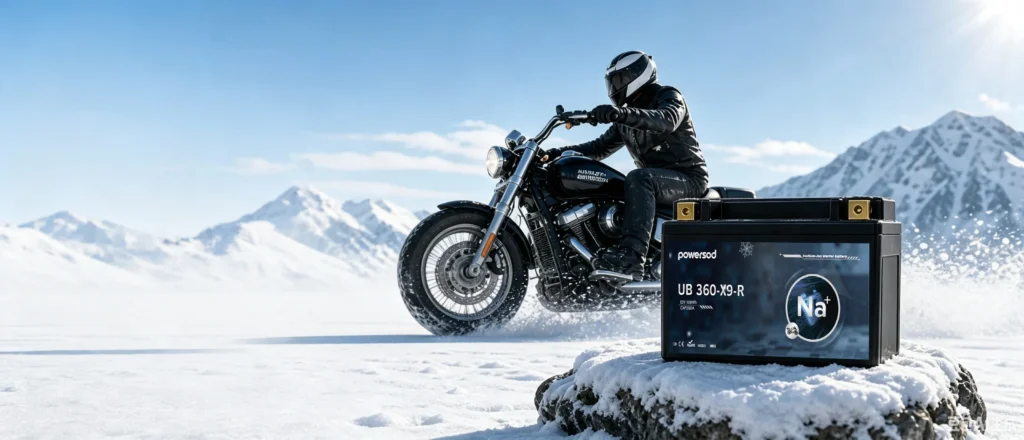
- electric motorcycles
These vehicles typically travel shorter distances where affordability and durability outweigh maximum driving range.
Recent commercial deployments demonstrate growing adoption of sodium-ion batteries in two-wheelers and selected passenger vehicle platforms.
3. 🏭 Industrial Backup Power
Factories, production facilities and industrial automation require uninterrupted electricity.
Common applications include:
- UPS systems
- manufacturing equipment
- production lines
- industrial robots
- warehouse automation
Because sodium-ion batteries exhibit strong safety performance and stable charge/discharge behavior, they are increasingly evaluated for industrial backup systems.
4. 📡 Telecom Base Stations
Telecommunication infrastructure requires reliable backup batteries operating under diverse climates.
Typical applications include:
- 5G base stations
- communication towers
- remote telecom equipment
- edge computing stations
Benefits include:
- excellent low-temperature performance
- reduced fire risk
- long calendar life
- lower maintenance costs
Telecom infrastructure is consistently identified as one of the earliest commercial markets for sodium-ion deployment.
5. 💻 Data Centers & UPS Systems
Modern AI computing and cloud services have dramatically increased demand for reliable backup power.
Data centers require batteries that offer:
- fast response
- thermal stability
- high reliability
- scalable deployment
As hyperscale data centers continue expanding worldwide, sodium-ion batteries are gaining attention for stationary backup applications where safety and operating cost are major purchasing factors.
6. 🚜 Agricultural & Off-Grid Equipment
Agricultural electrification is creating new battery demand.
Examples include:
- irrigation systems
- farm equipment
- solar-powered pumps
- rural microgrids
- off-grid energy storage
Because sodium resources are abundant globally, sodium-ion batteries can help lower operating costs for rural energy systems.
7. 🏠 Residential Energy Storage
Homeowners increasingly install:
- rooftop solar panels
- home battery storage
- backup power systems
For residential energy storage, battery safety is often as important as capacity.
Sodium-ion batteries offer:
- stable thermal performance
- reduced thermal runaway risk
- reliable daily cycling
These characteristics make them increasingly attractive for residential storage, particularly in regions expanding renewable energy adoption.
8. 🤖 Emerging Smart Equipment
New commercial applications continue to emerge, including:
- warehouse robots
- autonomous guided vehicles (AGVs)
- mobile power systems
- portable industrial equipment
- smart logistics
As manufacturing costs continue to decline, sodium-ion batteries are expected to enter additional commercial equipment markets.
📈 Market Trends Driving Sodium-Ion Expansion
Several global trends are accelerating adoption.
Growing Renewable Energy
More renewable electricity requires affordable battery storage.
Supply Chain Diversification
Manufacturers seek alternatives to lithium and other critical minerals.
Improved Manufacturing
Many sodium-ion batteries can leverage production processes similar to lithium-ion batteries, helping reduce commercialization barriers.
Better Cold-Climate Performance
Sodium-ion batteries generally maintain stronger performance at lower temperatures, making them suitable for northern regions and outdoor infrastructure.
🏭 Choosing a Reliable Sodium Battery Manufacturing Partner
For B2B buyers, selecting the right battery supplier involves more than comparing specifications.
Consider whether the manufacturer provides:
- OEM & ODM support
- Stable mass production capability
- Quality management systems
- Engineering support
- Long-term supply stability
- Experience serving international markets
Veken is part of Ningbo Veken Group, an established manufacturing group with extensive industrial experience. The company supports OEM/ODM projects, has an experienced technical team, and provides stable production capacity for large-volume orders. In addition to its battery business, Veken also operates its own textile manufacturing facilities, reflecting long-term manufacturing capability across multiple industries.
Learn more:
- Official website: https://vekenindustry.com/
- About Veken: https://vekenindustry.com/about/
- Sodium Battery Solutions: https://vekenindustry.com/sodium-battery/
- Battery Products: https://vekenindustry.com/battery/
- Contact Veken: https://vekenindustry.com/contact-us/
Frequently Asked Questions
Are sodium-ion batteries replacing lithium-ion batteries?
No. Sodium-ion batteries complement lithium-ion technology. They are best suited for applications where cost, safety, and raw material availability are more important than maximum energy density.
Which industries benefit most from sodium-ion batteries?
Current high-potential industries include:
- Renewable energy storage
- Telecom infrastructure
- UPS systems
- Industrial backup power
- Residential energy storage
- Urban electric mobility
- Agricultural electrification
- Smart logistics
Why are sodium-ion batteries becoming more popular?
Several factors are driving adoption:
- abundant raw materials
- lower long-term cost potential
- improving manufacturing maturity
- enhanced safety
- expanding commercial applications