
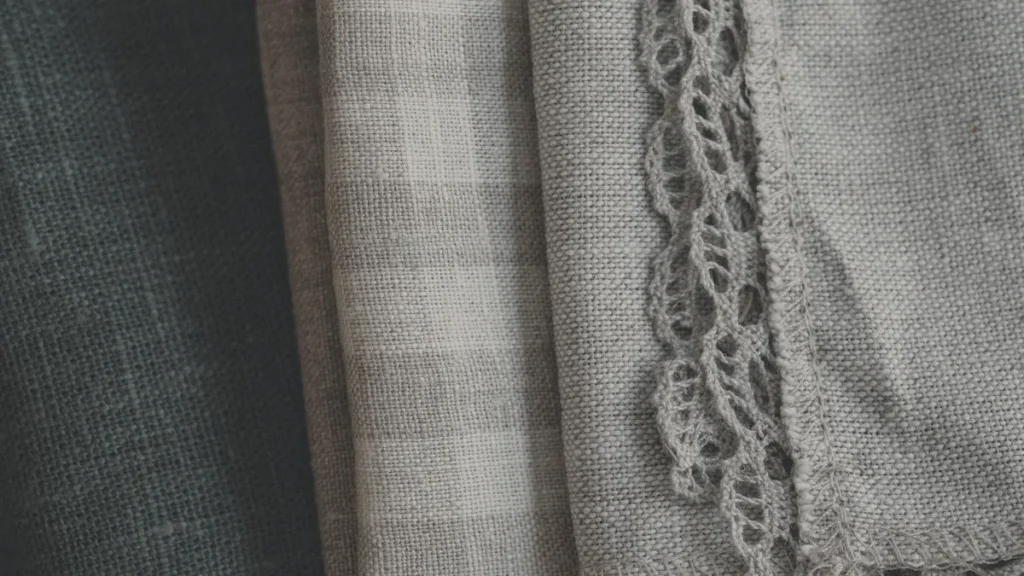
Garment trims are the small components that help a garment function, fit, close, strengthen, and communicate its brand identity. For apparel manufacturers, fashion brands, uniform suppliers, wholesalers, and sourcing teams, choosing the right clothing accessories is important because trims must work with the fabric, garment construction, washing method, and intended use.
Common garment trims and accessories include fabrics, sewing threads, buttons, zippers, ribbons, tapes, drawcords, elastic bands, hook-and-loop fasteners, labels, patches, interlinings, buckles, snaps, and hang tags.
For B2B buyers, the key question is not simply which trim looks good? It is whether the component is compatible with the garment, consistent across production, suitable for the required quantity, and available with reliable quality control.
What Are Garment Trims and Accessories?
Garment trims are components added to clothing during or after garment construction. Some are functional, while others are decorative or used for branding.
| Garment trim | Main function | Typical applications |
|---|---|---|
| Buttons | Closure and decoration | Shirts, coats, denim, uniforms |
| Zippers | Opening and closure | Jackets, trousers, bags, sportswear |
| Sewing threads | Seam construction | All types of apparel |
| Ribbons & tapes | Decoration or reinforcement | Fashionwear, uniforms, accessories |
| Drawcords | Adjustment | Hoodies, jackets, sportswear |
| Elastic bands | Stretch and fit | Waistbands, underwear, activewear |
| Hook-and-loop fasteners | Adjustable fastening | Workwear, outdoor products, footwear |
| Labels & tags | Branding and information | Fashion brands, private-label clothing |
| Interlinings | Shape and support | Collars, cuffs, jackets |
| Buckles & rings | Adjustment and detailing | Outerwear, bags, fashion accessories |
Veken’s current garment-trim collection covers threads and yarns, cords and tapes, buttons and zippers, interlinings and padding, as well as labels and other clothing accessories.
1. Fabric: The Starting Point for Garment Production
Fabric is not always classified as a trim, but it is the core material around which other garment components are selected.
Different apparel applications require different textile properties:
- Taffeta – commonly used where a smooth, lightweight fabric is required.
- Lace – suitable for decorative fashion applications.
- Silk – used for premium and lightweight apparel.
- Net fabric – used in decorative and breathable constructions.
- Oxford fabric – commonly selected for durable apparel and accessories.
- Taslon and sports fabrics – suitable for functional and outdoor clothing.
When sourcing custom fabric and garment accessories, buyers should consider fabric weight, construction, color, finishing, abrasion resistance, washing requirements, and compatibility with the selected trims.
2. Buttons: Material, Construction and Application
👕 Buttons are one of the most recognizable garment accessories.
Common button materials include:
- Resin
- Metal
- Wood
- Shell
- Coconut
- Rubber
- Fabric-covered materials
Specialized closures can include snap buttons, denim buttons, rivets, eyelets, and shank buttons.
For a clothing manufacturer, button selection should consider:
- Garment fabric thickness
- Button size and weight
- Attachment method
- Washing conditions
- Required appearance
- Color consistency
- Mechanical durability
For example, a lightweight fashion shirt may require a different button construction from a heavy denim jacket or workwear garment.
3. Zippers: Nylon, Resin and Metal
🔗 Zippers are functional garment trims that directly affect usability.
The main zipper material categories include:
- Nylon zippers
- Resin zippers
- Metal zippers
Zippers can also be specified by tooth size. Veken’s garment-trim information identifies zipper sizes from #3 to #10, with larger numbers indicating coarser teeth.
When sourcing custom zippers for clothing manufacturers, buyers should define:
- Zipper type
- Length
- Tooth size
- Material
- Tape color
- Slider design
- Puller design
- Application
- Testing requirements
A zipper for lightweight sportswear should not automatically be treated as equivalent to a zipper for heavy outerwear.
4. Hook-and-Loop Fasteners, Elastic Bands and Drawcords
🧵 Functional trims are particularly important in sportswear, outdoor clothing, workwear, children’s clothing, and casual apparel.
Veken’s listed cords and tapes include drawstrings, elastic webbing, shoelaces, hook-and-loop fasteners, satin ribbons, grosgrain ribbons, lace trims, cap ropes, and cord locks.
These components can provide:
- Adjustable fit
- Closure
- Reinforcement
- Decoration
- Comfort
- Product differentiation
For example, a hooded sweatshirt may combine drawcords, cord locks, rib materials, sewing thread, labels, and zipper or button components within one garment.
Important: “Hook-and-loop fastener” is the general product term. “VELCRO®” is a specific trademarked brand name.
5. Interlinings and Padding
🧥 Interlinings are less visible than buttons or zippers, but they can have a major effect on garment structure.
Veken lists woven, non-woven, and knitted fusible interlinings, together with non-fusible options such as hair canvas and horsehair interlining. Support elements include shoulder pads, chest pieces, and collar canvas.
The basic purpose is to provide:
Fabric → Interlining → Structural support → Finished garment shape
For tailored jackets, uniforms, coats, and structured apparel, the correct interlining can influence:
- Collar shape
- Cuff structure
- Garment stability
- Appearance after washing
- Overall fit
ISO 15487 also recognizes components such as buttons and slide fasteners when evaluating the appearance and condition of apparel after domestic washing and drying.
6. Labels, Patches and Branding Accessories
🏷️ Labels turn a garment from a generic product into a branded product.
Common apparel labels include:
- Woven labels
- Printed labels
- Metal labels
- Leather labels
- PVC labels
- Rubber labels
- Silicone labels
- TPU labels
- Size labels
- Care labels
- Neck labels
- Main labels
Veken’s garment accessories collection also includes woven and embroidered patches, hang tags, strings, stickers, packaging bags, and other apparel branding components.
For private-label apparel manufacturers, these components should be developed together with the garment rather than treated as an afterthought.
How to Choose Garment Trims for Bulk Orders
For B2B procurement, a simple sourcing process can reduce production problems:
① Define the garment → ② Select materials → ③ Confirm specifications → ④ Make samples → ⑤ Test and approve → ⑥ Start bulk production → ⑦ Inspect → ⑧ Ship
Key specifications should include:
- Material
- Size
- Color
- Artwork
- Finish
- Quantity
- Packaging
- Application
- Testing requirements
- Delivery requirements
Veken’s published sourcing process follows a similar sequence: requirements consultation, quotation, order confirmation, sample confirmation, production and shipment, followed by after-sales support.
Why Factory-Based Sourcing Matters for Garment Trims
🏭 For large apparel programs, sourcing capability matters alongside the product catalog.
Veken Textile operates four factories in a 40,000 m² industrial park in Ningbo Beilun and provides integrated capabilities covering R&D and design, weaving, dyeing, finishing, and sewing. Its published information also states that it has a testing center and research institute.
Veken’s broader textile manufacturing information reports production across fabrics, yarns and threads, knitwear, and home textiles, supported by integrated facilities and supply-chain management.
For B2B buyers, an integrated manufacturing background can be useful when a project requires fabric plus garment accessories, rather than purchasing every component from unrelated suppliers.
OEM and ODM Garment Trims for Apparel Brands
Veken’s garment-trim collection states that it provides custom-made garment trims and accessories and supports flexible OEM/ODM services.
OEM
Under an OEM model, the buyer normally provides specifications, artwork, materials, dimensions, or samples. The supplier manufactures according to the confirmed requirements.
ODM
Under an ODM model, the supplier can participate more actively in product development and design.
This makes OEM/ODM garment accessories relevant to:
- Apparel brands
- Private-label clothing
- Fashion manufacturers
- Uniform suppliers
- Sportswear brands
- Outdoor clothing manufacturers
- Wholesale clothing businesses
What B2B Buyers Should Check Before Ordering
Before placing a bulk garment-trim order, confirm these points:
✅ Material and construction
✅ Exact dimensions and tolerances
✅ Color and finish
✅ Sample approval
✅ Washing requirements
✅ Attachment method
✅ Packaging specification
✅ Inspection process
✅ Production lead time
✅ Bulk-order capacity
✅ OEM/ODM requirements
A reliable trim specification should be written clearly enough that the same component can be reproduced consistently in repeat production.
Veken Garment Trims: A B2B Sourcing Reference
Veken provides a broad range of garment trims and accessories, including buttons, zippers, threads, ribbons, tapes, drawstrings, hook-and-loop fasteners, interlinings, labels, patches, buckles, and related apparel components. Its published information also identifies customized support, multi-tier quality control, and an established textile manufacturing base in Ningbo.
For buyers evaluating garment accessories suppliers in China, the most practical approach is to start with a complete specification and sample requirement.
Learn more: Veken Garment Trims & Accessories
Company information: About Veken
Request information or samples: Contact Veken
Key Takeaway
Garment trims are not simply decorative components. Buttons, zippers, fabrics, threads, tapes, elastic bands, hook-and-loop fasteners, interlinings and labels each serve a specific function in apparel production.
For B2B sourcing, the best specification connects the trim material, garment application, production method, quality requirements and order volume. This approach makes bulk apparel production easier to control and reduces avoidable problems during manufacturing.