🔋 The Evolution of Sodium-Ion Battery Technology: From Laboratory Research to Commercial Energy Storage
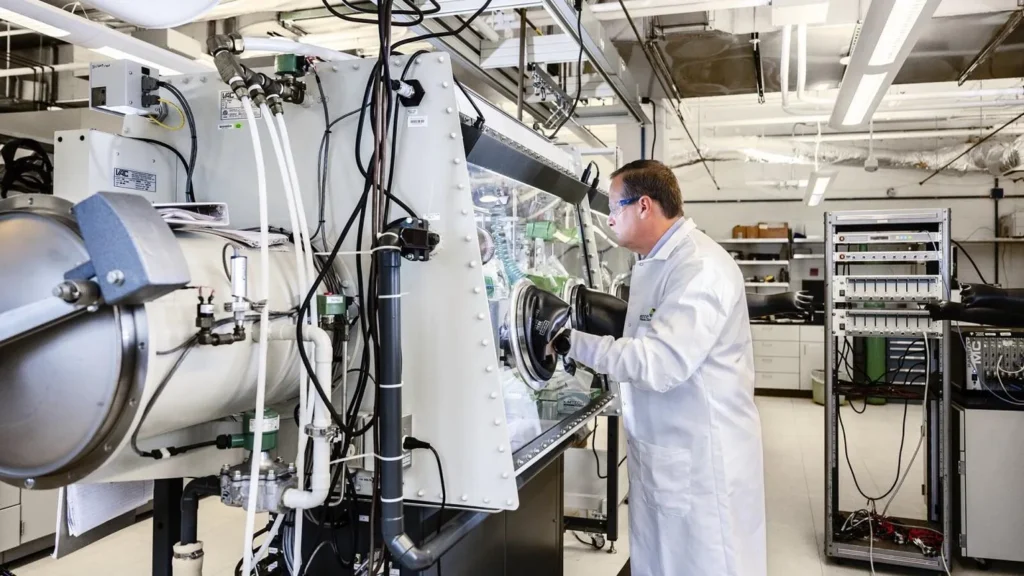
Unlike lithium, sodium is one of the most abundant elements on Earth. Its wide availability and lower raw material cost have attracted increasing attention from battery manufacturers, utility companies, and industrial buyers worldwide.
This article reviews the development history of sodium-ion batteries, explains how the technology has evolved, compares it with lithium-ion batteries, and discusses where it is creating new opportunities for B2B applications.
📖 What Is a Sodium-Ion Battery?
A sodium-ion battery (SIB) is a rechargeable battery that stores and releases energy through the movement of sodium ions between the cathode and anode during charging and discharging.
Although its operating principle is similar to lithium-ion batteries, sodium-ion batteries use sodium instead of lithium, making them less dependent on limited mineral resources.
Today, sodium-ion batteries are increasingly used for:
- Residential energy storage
- Commercial & industrial energy storage
- Telecom backup power
- Low-speed electric vehicles
- Electric two-wheelers
- Portable power stations
- Cold-weather energy storage
- UPS systems
- Emergency lighting
- Microgrid applications
🕒 The Development Timeline of Sodium-Ion Battery Technology
Early Research (1970s–1990s)
Scientists first began studying sodium-ion batteries shortly after lithium-ion battery research started.
At that time, researchers discovered that sodium ions could move between electrode materials in much the same way as lithium ions. However, available electrode materials were unstable, resulting in poor energy density and limited cycle life.
Because lithium-ion batteries advanced more quickly, sodium-ion research received relatively little commercial attention during this period.
Renewed Interest (2000–2015)
Growing concerns over lithium supply, rising raw material costs, and renewable energy expansion renewed global interest in sodium-ion technology.
Researchers focused on improving:
- Cathode materials
- Hard carbon anodes
- Electrolyte stability
- Battery safety
- Low-temperature performance
During this period, significant progress was made in extending battery cycle life while reducing manufacturing costs.
Commercial Acceleration (2016–Present)
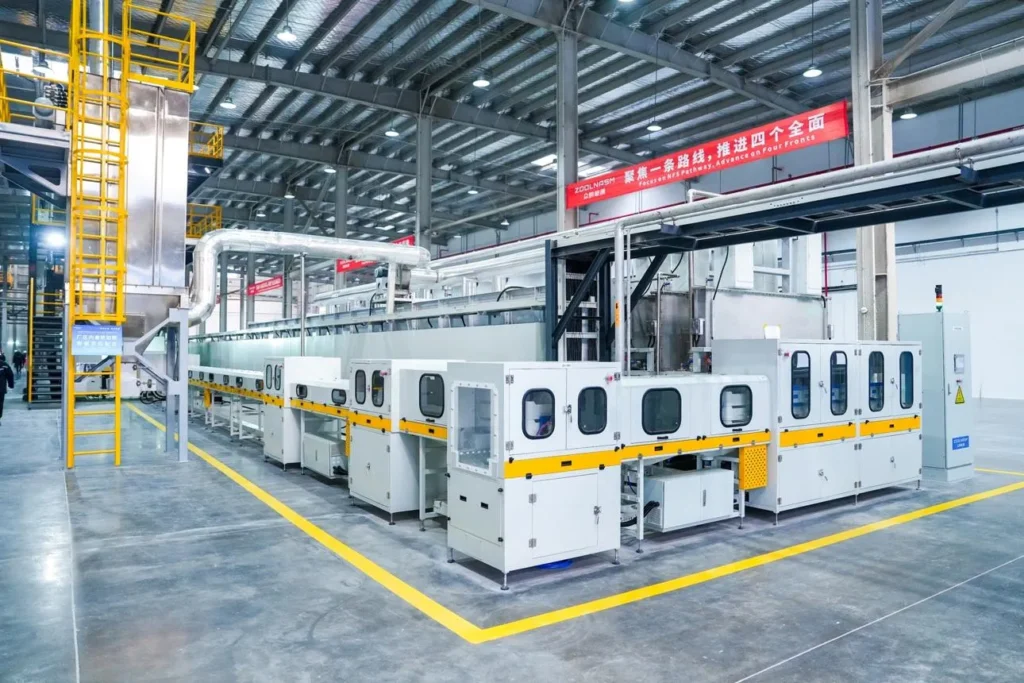
Today, sodium-ion batteries have entered commercial production.
Several manufacturers have introduced products for:
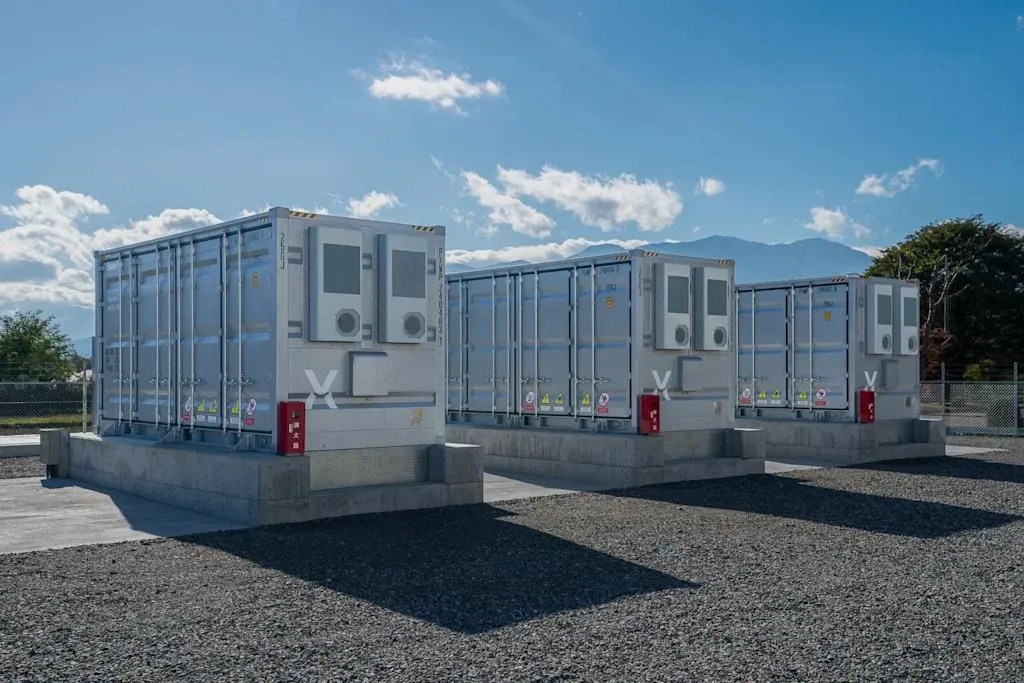
- Utility-scale energy storage
- Residential battery systems
- Electric scooters
- Backup power
- Industrial applications
Continuous improvements in material science have also enhanced charging efficiency and long-term reliability.
⚙️ How Sodium-Ion Batteries Work
The charging and discharging process follows four basic steps:
- Electricity charges the battery.
- Sodium ions move from the cathode to the anode.
- Energy is stored inside the battery.
- During discharge, sodium ions return to the cathode, generating electricity.
This mechanism is similar to lithium-ion batteries but uses sodium-based materials instead.
📊 Sodium-Ion vs Lithium-Ion Batteries
| Feature | Sodium-Ion Battery | Lithium-Ion Battery |
|---|---|---|
| Raw Material Availability | Very abundant | Limited |
| Material Cost | Lower | Higher |
| Low Temperature Performance | Excellent | Good |
| Thermal Safety | High | Good |
| Energy Density | Moderate | Higher |
| Cycle Life | Long | Long |
| Grid Energy Storage | Excellent | Excellent |
| Fast Charging | Good | Excellent |
| Large-Scale Storage Cost | Competitive | Higher |
For applications where cost, safety, and resource availability matter more than maximum energy density, sodium-ion batteries are becoming an attractive option.
🌍 Why Sodium-Ion Batteries Are Receiving Global Attention
Several industry trends are driving adoption:
🌱 Renewable Energy Growth
Solar and wind power require reliable energy storage to balance electricity supply and demand.
💰 Lower Material Costs
Sodium resources are widely available around the world, reducing dependence on critical minerals.
❄️ Better Low-Temperature Performance
Compared with many lithium-ion batteries, sodium-ion batteries generally maintain better performance in cold environments.
This makes them suitable for:
- Airport lighting
- Outdoor communication equipment
- Cold-region backup systems
- Northern climate energy storage
🏭 Real-World Applications
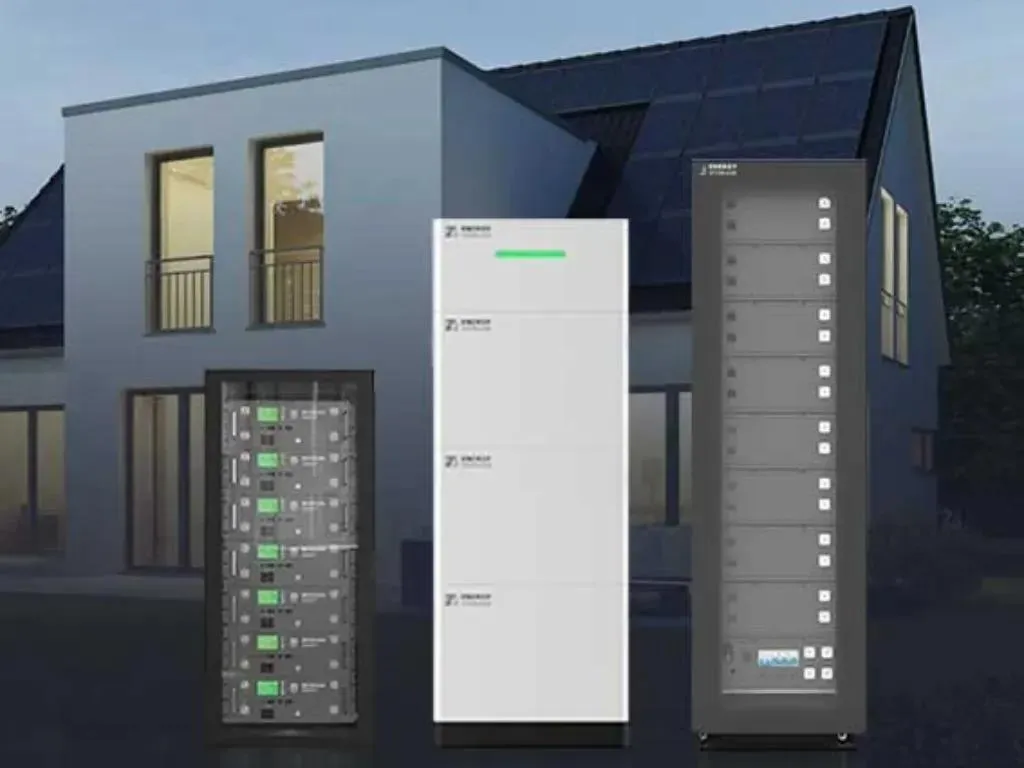
Today, sodium-ion batteries are increasingly used in practical applications across multiple industries.
Residential Energy Storage
Homeowners use battery systems to store solar energy and improve energy independence.
Commercial & Industrial ESS
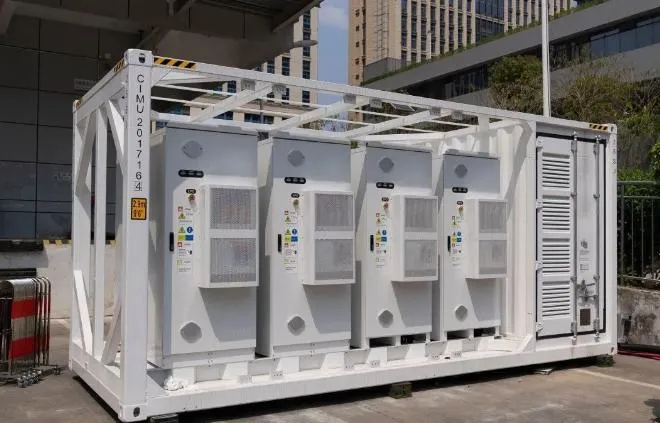
Factories, office buildings, and industrial facilities use sodium-ion battery systems for peak shaving and backup power.
Telecom Backup
Telecommunication base stations require reliable backup batteries during power interruptions.
Emergency Lighting
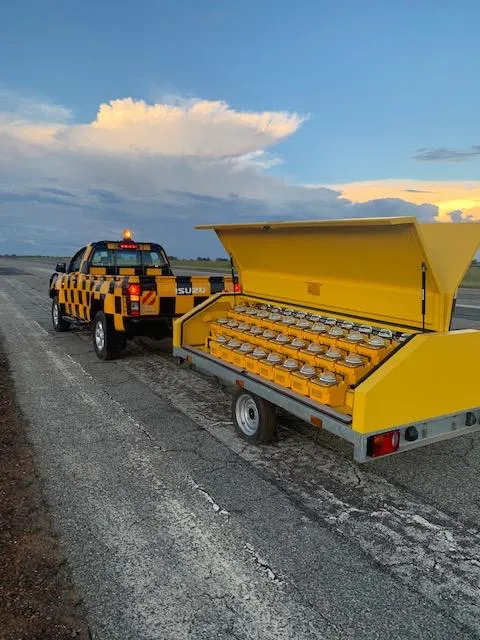
Airports, tunnels, and public infrastructure increasingly demand batteries with stable low-temperature performance.
Portable Power Stations
Portable energy storage products benefit from the high safety characteristics of sodium-ion chemistry.
📈 Current Challenges
Although sodium-ion batteries have achieved significant progress, several challenges remain.
These include:
- Lower energy density than premium lithium-ion batteries
- Ongoing optimization of electrode materials
- Expansion of commercial manufacturing capacity
- Continued improvement in fast charging performance
Researchers worldwide continue working on these areas, and annual technological improvements are steadily narrowing the performance gap.
🔬 Future Trends
Industry analysts expect sodium-ion batteries to play an increasingly important role in:
- Renewable energy storage
- Utility-scale battery systems
- Industrial backup power
- Telecom infrastructure
- Cold-climate applications
- Hybrid battery solutions
Rather than replacing lithium-ion batteries entirely, sodium-ion batteries are likely to complement existing battery technologies by serving applications where safety, affordability, and resource availability are the highest priorities.
📚 Frequently Asked Questions
Are sodium-ion batteries safer than lithium-ion batteries?
Sodium-ion batteries generally demonstrate good thermal stability and are considered suitable for many stationary energy storage applications.
Can sodium-ion batteries replace lithium-ion batteries?
Not entirely. Lithium-ion batteries remain the preferred choice where maximum energy density is required. Sodium-ion batteries are becoming competitive in cost-sensitive and stationary storage applications.
What industries benefit most from sodium-ion batteries?
Industries including renewable energy, telecommunications, backup power, residential energy storage, commercial ESS, emergency infrastructure, and portable power systems are increasingly adopting sodium-ion battery technology.
📖 Conclusion
Sodium-ion battery technology has evolved from laboratory research into a commercially viable energy storage solution. Improvements in materials, manufacturing processes, and system design have significantly enhanced its safety, reliability, and cost competitiveness.
As renewable energy deployment accelerates worldwide, sodium-ion batteries are expected to become an important part of the global battery market, particularly for stationary energy storage and industrial applications where affordability, abundant raw materials, and dependable performance are key considerations.
About Veken
For businesses seeking customized battery solutions, Veken focuses on battery manufacturing and supports OEM/ODM projects for global customers. The company provides battery products for various industrial and energy storage applications while leveraging its manufacturing capabilities to support large-scale production.
Learn more: