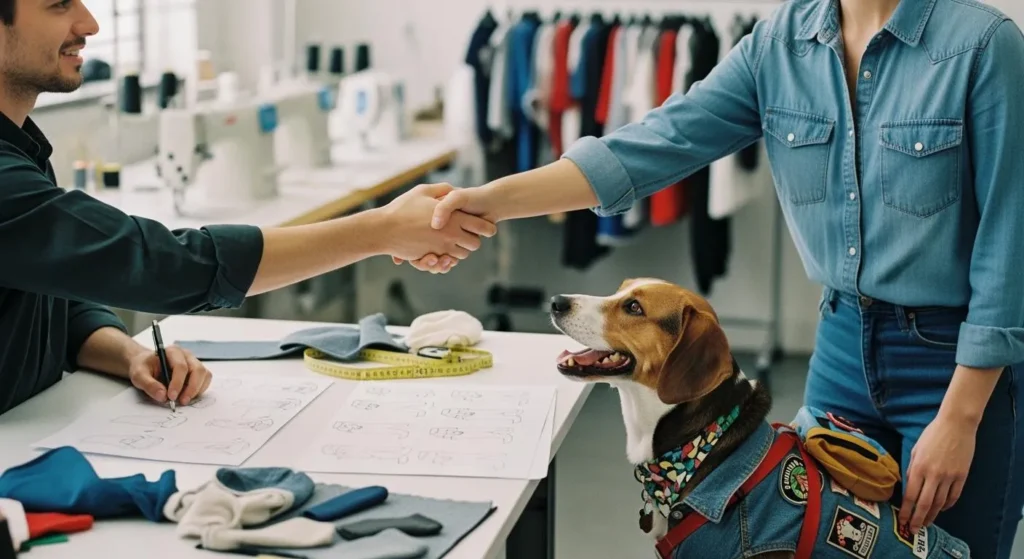
Every pet fashion business needs to start by outlining what matters most for their brand before reaching out to a dog clothes factory. They should list out the features that set their products apart. For example, brands often clarify these main requirements:
| Requirement Type | Description |
|---|---|
| Fabrics | Types of materials to be used for the apparel |
| Logos | Custom branding elements to be included |
| Packaging | Specific packaging requirements for the products |
| Seasonal Designs | Designs that cater to specific seasons or events |
Taking time to define these details helps manage product quality and prevents issues later. Reliable manufacturers like VEKEN show how industry experience, customization options, and strict quality control make a difference. Sustainability and ethical practices also matter when choosing a pet clothing factory for personalized pet attire.
Tip: Brands that clarify their needs from the start build stronger partnerships and get better results.
Key Takeaways
- Define your brand’s needs before contacting a factory. Outline key features like fabrics, logos, and packaging to ensure quality and alignment.
- Choose sustainable materials for pet apparel. Options like organic cotton and recycled fabrics appeal to eco-conscious consumers and enhance brand reputation.
- Request samples to assess quality. Inspect fabric, stitching, and fit before placing large orders to ensure products meet your standards.
- Communicate clearly with your manufacturer. Fast responses and regular updates help build trust and ensure smooth production processes.
- Negotiate terms effectively. Research potential suppliers and clarify your needs to secure favorable pricing and flexible order options.
Define Needs for Custom Pet Apparel
Select Styles and Fabrics
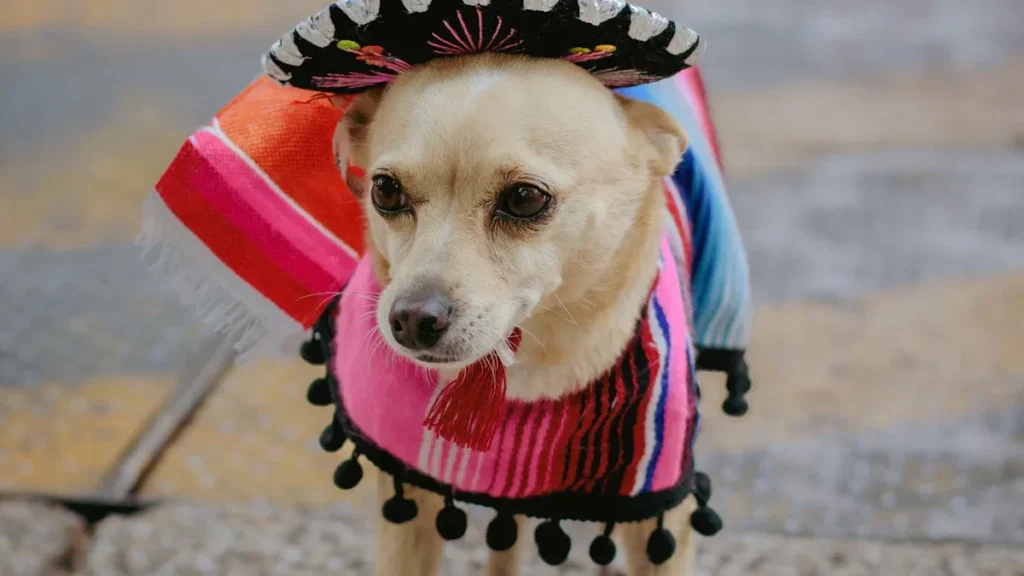
Every brand starts by figuring out what their pet clothing needs look like. They ask questions about style, comfort, and durability. VEKEN’s experience shows that choosing the right styles and premium materials makes a big difference. Brands often look for fabrics that are soft, easy to clean, and safe for pets. The market now favors products made from recycled plastics and organic fibers. Many brands use organic cotton, bamboo, and recycled materials to meet sustainability goals.
Here are some popular choices for custom pet apparel:
- Organic cotton and bamboo fabrics for eco-friendly appeal
- Recycled polyester for durability and sustainability
- Waterproof and tear-proof high-tech fabrics for outdoor use
- Soft fleece and knitted materials for comfort
- Customisation options like colors, patterns, and personalized features
Stylish designs and personalization help brands stand out. Pet owners want unique clothing for their pets, so brands focus on customisation options that match their identity. VEKEN offers a wide range of fabrics and scenario-based designs, making it easier for brands to meet market demand.
Set Order Volume and Customization
Brands need to decide how much to order and how to customize their products. VEKEN’s catalog lets businesses browse wholesale dog clothes and select items that fit their audience. Many brands use small-batch orders to test new designs before committing to larger quantities. Print-on-demand services help brands experiment without extra costs.
When sourcing wholesale pet clothing, brands consider their target market. They use design tools to create products that appeal to specific customer groups. The demand for customized, high-quality pet apparel keeps growing as more people own pets. Brands align product features with market demand and their goals by using data analytics, segmenting the market, and focusing on product innovation.
“Pet apparel brands align product features with market demand and brand goals by focusing on strategic market entry approaches, thorough market segmentation, consumer insights, and product differentiation. They identify niche segments with unmet needs, leverage data analytics for targeted marketing, and establish a strong online presence. Product innovation, including sustainable materials and smart technology, plays a vital role in differentiating offerings. Additionally, brands adopt flexible supply chain models and customer-centric approaches to enhance agility and satisfaction.”
VEKEN’s flexible production model supports both small-batch orders and large wholesale dog clothes shipments. This approach helps brands stay agile and meet changing pet clothing needs.
Choosing a Dog Clothes Factory
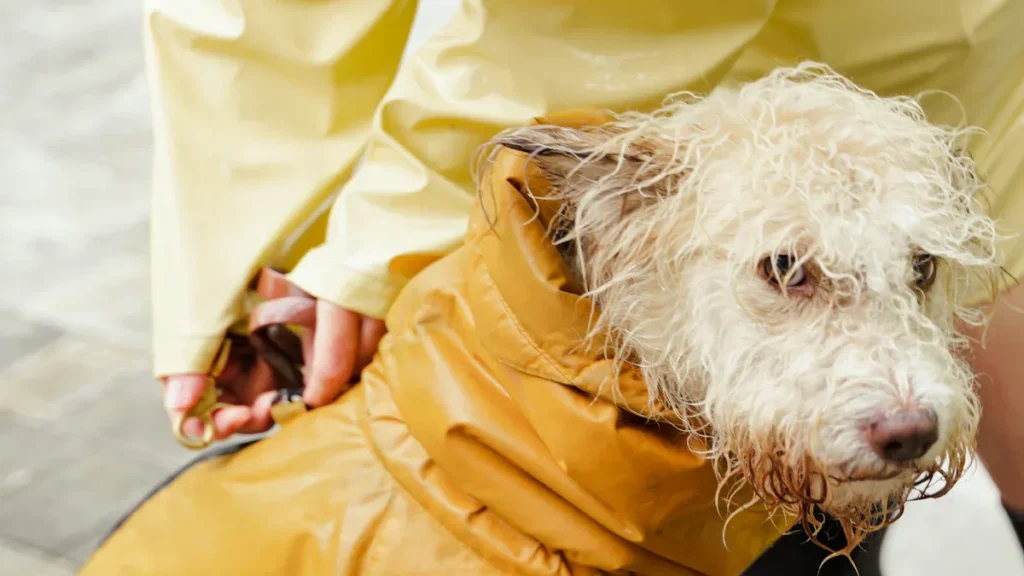
Selecting the right dog clothes factory can shape the future of any pet apparel brand. Reliable manufacturers help brands avoid costly mistakes and deliver products that meet customer expectations. When evaluating factory profiles, brands should look for a partner with proven experience, strong capabilities, and a commitment to ethical and sustainable practices.
Industry Experience and Capabilities
A factory’s track record says a lot about its reliability. VEKEN stands out as a model for evaluating factory profiles, thanks to its long history and in-house production. Brands can use these criteria to compare dog clothes manufacturers:
Quality Standards and Certifications 🏅
Look for ISO 9001 or OEKO-TEX certifications. These show the factory uses safe materials and follows strict quality standards.
Learn more about OEKO-TEX certification.Production Capacity and Technology 🏭
Check the factory’s monthly output and the technology used. VEKEN owns its textile factories and handles large wholesale dog clothes orders with ease, while many competitors outsource and struggle with volume.Reviewing Samples and Past Work 👀
Always request samples. Examine the stitching, fabric quality, and finishing. This step helps spot premium materials and ensures the factory can deliver consistent results.Communication and Service 📞
Responsive communication makes a big difference. Reliable manufacturers answer questions quickly and provide clear updates.Material and Fabric Choices 🧵
Compare the range of fabrics. Premium materials like organic cotton, recycled polyester, and waterproof fabrics offer comfort and durability.Order Volume and Customization 📦
Ask about minimum order quantities and customization options. VEKEN supports both small and large orders, making it easier for brands to scale.
Here’s a quick comparison of VEKEN and other dog clothes manufacturers:
| Feature | VEKEN’s Approach | Competitors’ Approach |
|---|---|---|
| Ownership of Factories | Owns in-house textile factories | Outsources production |
| B2B Order Capability | Handles large-volume orders | Struggles with large orders |
Brands also face common challenges when choosing a pet clothing factory. These include ensuring a proper fit, verifying material quality, confirming production timelines, and checking customer service. The table below highlights these issues:
| Challenge | Description |
|---|---|
| Fit | Ensuring accurate measurements and proper fit for comfort and safety. |
| Material Quality | Importance of high-quality materials for durability and comfort. |
| Production Timelines | Delays in shipping and the need to confirm production timelines before purchase. |
| Customer Service | The necessity of good communication and support from the supplier. |
| Compliance | Verifying that suppliers meet international compliance standards for pet products. |
For more tips on evaluating factories, check out this guide from ThomasNet.
Customization and Sustainability
Modern pet brands want more than just basic products. They look for dog clothes manufacturers who offer customization and support eco-friendly pet fashion. VEKEN leads the way by providing a wide range of fabrics, scenario-based designs, and sustainable options.
When choosing a pet clothing factory, brands should consider these sustainability and ethical practices:
- Many factories use eco-friendly materials like organic cotton, bamboo, wool, and recycled fabrics.
- Ethical brands focus on fair labor conditions and ethical sourcing.
- Factories minimize waste during production and support local economies.
- Brands ensure fair wages and safe working conditions for all workers.
- Some suppliers sign a Sustainability Commitment and undergo regular assessments to maintain high standards.
Here’s what responsible brands often require from their partners:
| Criteria | Description |
|---|---|
| Minimum Wage | Suppliers must pay at least the minimum wage and ensure equal pay for equal work. |
| Human Rights | Zero tolerance for human rights violations; safe work environments are a must. |
| Environmental Standards | Suppliers must comply with or exceed local environmental regulations. |
| Animal Welfare | Ethical practices ensure animals are treated humanely. |
| Community Engagement | Preference for suppliers involved in community support and social activism. |
| Certifications | Suppliers are encouraged to achieve certifications for sustainability. |
Tip: Brands that prioritize eco-friendly pet fashion and ethical sourcing build stronger reputations and attract loyal customers.
Reliable manufacturers like VEKEN combine premium materials, strong quality standards, and a commitment to sustainability. This approach helps brands stand out in the wholesale dog clothes market and meet the growing demand for custom pet apparel.
For more on sustainable manufacturing, visit Sustainable Apparel Coalition.
Evaluating Dog Clothes Manufacturers
Requesting Samples and Assessing Quality
Every brand wants to feel confident before placing a large order with a pet clothing factory. Requesting samples is the first step. Manufacturers like VEKEN encourage brands to ask for physical samples of each product type. This helps businesses check if the items match their pet clothing needs and meet quality standards.
Here’s a quick look at how leading factories handle samples and quality checks:
| Aspect | Description |
|---|---|
| Sample Request | Brands request samples to evaluate fabric, stitching, and print quality. |
| Quality Assessment | Teams inspect samples for consistent sizing, color accuracy, and durability after washing. |
🐾 Tip: Always test for seam strength, colorfastness, and comfort. Brands should check for non-toxic materials, especially when sourcing wholesale pet clothing for puppies or sensitive breeds.
Some best practices for assessing factory capabilities and quality assurance include:
- Requesting third-party lab tests for harmful substances.
- Comparing sample colors and prints to catalog images.
- Asking for feedback from other clients who have ordered wholesale dog clothes.
- Checking for certifications like OEKO-TEX or ISO.
Quality assessments also involve reviewing compliance with safety standards. Brands should look for clear labeling and traceability on every sample. This process ensures that premium materials are used and that the pet clothing factory can handle both small-batch orders and larger shipments.
Communication and Lead Times
Clear communication sets the best manufacturers apart. Brands need fast answers about their pet clothing needs, especially when sourcing wholesale pet clothing or planning small-batch orders. Top factories, like VEKEN, respond within two hours and keep clients updated at every stage.
⏱️ Important: On-time delivery rates above 98% show reliability. High reorder rates mean clients trust the factory for repeat business.
When evaluating a pet clothing factory, brands should ask:
- How quickly can the factory produce and ship wholesale dog clothes?
- Can they handle urgent or custom orders?
- What is their average response time for questions or changes?
Brands benefit from flexible production schedules. This helps them launch new designs or restock popular items without delays. Good communication and reliable lead times make sourcing wholesale pet clothing smoother and more predictable.
Working with a Pet Clothing Factory
Negotiating Terms and Orders
Brands that want to succeed in the pet apparel market need to master negotiation with their chosen dog clothes factory. The process starts with research and preparation. They look for reliable manufacturers who offer tailored manufacturing services and flexible supply options. These steps help brands secure the best deals and ensure customer satisfaction.
Here’s a simple step-by-step approach for negotiating with a pet clothing factory:
- Research and Prepare: Brands gather information about potential suppliers to find the right fit.
- Make Initial Contact: They introduce their business and share their interest in wholesale dog clothes.
- Communicate Needs: Brands outline their requirements, including styles, fabrics, and branding.
- Discuss MOQs: They ask about minimum order quantities to manage inventory and budget.
- Request Samples: Brands check product quality and craftsmanship before committing.
- Clarify Pricing and Payment Terms: They discuss costs and payment schedules to avoid surprises.
- Negotiate: Brands use friendly negotiation to reach favorable terms.
💡 Tip: Stay open and flexible during negotiation. Goodwill often leads to better long-term results.
- Maintain Clear Communication: Brands keep the conversation open to address any issues quickly.
- Make an Informed Decision: They review all details before finalizing the order.
Leading factories structure order terms to support both large and small brands. Here’s a quick comparison of what brands can expect:
| Aspect | Details |
|---|---|
| MOQ | 300 pcs per style (mixed sizes/colors available); lower MOQs for in-stock items or sample orders |
| Packaging | Standard OPP bag / Custom packaging with your branding |
| Lead Time | In-stock styles: 7–10 days; Custom orders: 20–30 days depending on quantity and design |
| Shipping Methods | Air freight / Sea freight / International express (DHL, FedEx, UPS) |
Reliable manufacturers like VEKEN offer flexible supply options, making it easier for brands to test new designs or scale up quickly. Their customer-centric approach means they listen to feedback and adjust terms to support long-term growth.
Managing Production and Quality Control
Once the order is placed, brands need to monitor production closely. A strong production management system ensures every batch of wholesale dog clothes meets high standards. VEKEN’s zero returns policy and vertical production model show how reliable manufacturers can deliver consistent quality and customer satisfaction.
Here’s a typical production management flow for a pet clothing factory:
graph TD
A[Pre-production Inspection] --> B[In-line Inspection]
B --> C[During Production Inspection]
C --> D[Pre-Shipment Inspection]
D --> E[Final Delivery]
🛡️ Quality Control Point: Brands should request regular updates and inspection reports at each stage.
Factories use several quality control steps to guarantee customer satisfaction:
- Measurement Accuracy: Inspectors randomly measure pieces from each size to prevent mismatches.
- Stitching & Seams: They check high-stress areas for durability.
- Fabric & Color Consistency: Teams test for shrinkage and compare colors to approved samples.
- Trims, Prints & Labels: They verify the alignment and accuracy of zippers, buttons, and labels.
The table below shows how top factories manage inspections:
| Inspection Stage | Purpose |
|---|---|
| Pre-production Inspection | Ensure all materials and components meet quality standards before production begins. |
| In-line Inspection | Conduct inspections during production to identify and address issues early. |
| During Production Inspection | Inspectors check for defects when 30-50% of production is completed. |
| Pre-Shipment Inspection | Final checks for quality, compliance, and packaging after production. |
| Final Inspection | Perform a detailed check of finished products before they leave the factory or warehouse. |
Brands also use special tests, such as UV tests for fading, static wet tests for color transfer, and crock tests for rubbing. These steps help maintain high product quality and boost customer satisfaction.
Reliable manufacturers provide tailored manufacturing services and flexible supply options to meet changing market needs. They focus on product quality, compliance, and accurate quantities. Their customer-centric approach ensures brands receive support from start to finish.
🏆 Tip: Brands that give ongoing feedback and build trust with their pet clothing factory create lasting partnerships and higher customer satisfaction.
For more on production best practices, visit Apparel Resources: Production Management Best Practices.
Working with a pet clothing factory starts with clear goals and open communication. Brands should set expectations, review quality standards, and manage logistics for smooth production. They can gain an edge by choosing partners who value sustainability and innovation. Authentic collaborations help brands grow and connect with their audience. Building a strong relationship with a pet clothing factory leads to better products and long-term success. Now is the time to create partnerships that make a difference in custom pet apparel.
FAQ
What types of custom dog clothes can a factory produce?
Factories like VEKEN create a wide range of custom dog clothes. They offer daily wear, outdoor gear, recovery suits, and senior pet apparel. Brands choose from various fabrics, colors, and sizes to match their market needs.
How does the sample process work for custom pet apparel?
Brands request samples before placing bulk orders. The factory sends physical samples for review. Teams check fabric quality, stitching, and sizing. This step helps brands confirm product standards and make informed decisions.
What is the typical lead time for wholesale dog clothes orders?
Lead times depend on order size and customization. In-stock styles ship within 7–10 days. Custom orders usually take 20–30 days. Reliable factories provide clear timelines and update brands throughout production.
Can brands visit the factory or request virtual inspections?
Yes, most factories welcome business visits and online video inspections. Brands see production lines, meet the R&D team, and review quality control processes. This transparency builds trust and supports long-term partnerships.
What certifications should brands look for in a dog clothes manufacturer?
Brands should check for certifications like ISO 9001 and OEKO-TEX. These show the factory meets international quality and safety standards. Certified factories use safe materials and follow strict production guidelines.