
You often see small details on clothing that catch your eye or make wearing easier. These are garment trims. Trims can act as decorations, like lace or sequins, or serve a purpose, such as holding a garment closed. You can use trims to add colour, texture, or shape to your clothes. Choosing the right trim helps you create both beautiful and practical garments.
Key Takeaways
- Garment trims enhance both the appearance and functionality of clothing. Choose trims that add style and make wearing easier.
- Common types of trims include buttons, zippers, lace, ribbons, piping, sequins, and labels. Each type serves a unique purpose.
- When selecting trims, consider their functionality. Ensure they help with fastening, comfort, and durability.
- Match trims to the fabric and style of your garment. This creates a cohesive look and enhances the overall design.
- Experiment with different trims to personalise your clothes. Small changes can transform a simple garment into something special.
Garment Trims Overview
What Are Garment Trims
You see garment trims on almost every piece of clothing you wear. Garment trims are the extra parts added to clothes that are not part of the main fabric. These can include things like buttons, zips, lace, ribbons, and even labels. You use trims to make clothes look better or to help them work better. For example, a zip helps you open and close a jacket easily. Lace can make a dress look more elegant.
Tip: When you look at your clothes, try to spot the different trims. You might find more than you expect!
Why Trims Matter
Garment trims play a big role in both how your clothes look and how they work. You can use trims to add colour, texture, or a special touch to your outfit. Sometimes, trims help hold your clothes together or make them easier to put on and take off. For example:
- Buttons keep your shirt closed.
- Ribbons can tie up a dress.
- Labels show you the brand or how to wash your clothes.
You should think about trims when you design or choose clothes. The right trim can make a simple shirt stand out. It can also make your clothes last longer or feel more comfortable. If you want your clothes to look unique, try picking trims that match your style.
Types of Garment Trims
Buttons
You use buttons to fasten clothes. They come in many shapes, sizes, and colours. You can find them on shirts, trousers, coats, and even dresses. Some buttons are plain and simple. Others have patterns or bright colours. You can choose plastic, metal, wood, or even fabric-covered buttons. Buttons help you open and close your clothes easily. They also add style to your outfit. For example, shiny gold buttons can make a blazer look smart.
Tip: Try swapping plain buttons for colourful ones to give your old shirt a new look.
Zippers
Zippers help you open and close garments quickly. You see them on jeans, jackets, skirts, and bags. A zipper has two rows of teeth and a slider that joins or separates them. You can find zippers made from metal or plastic. Some zippers are hidden, so you cannot see them when you wear the garment. Others are bold and stand out as a design feature. You can use zippers for both function and decoration.
Lace
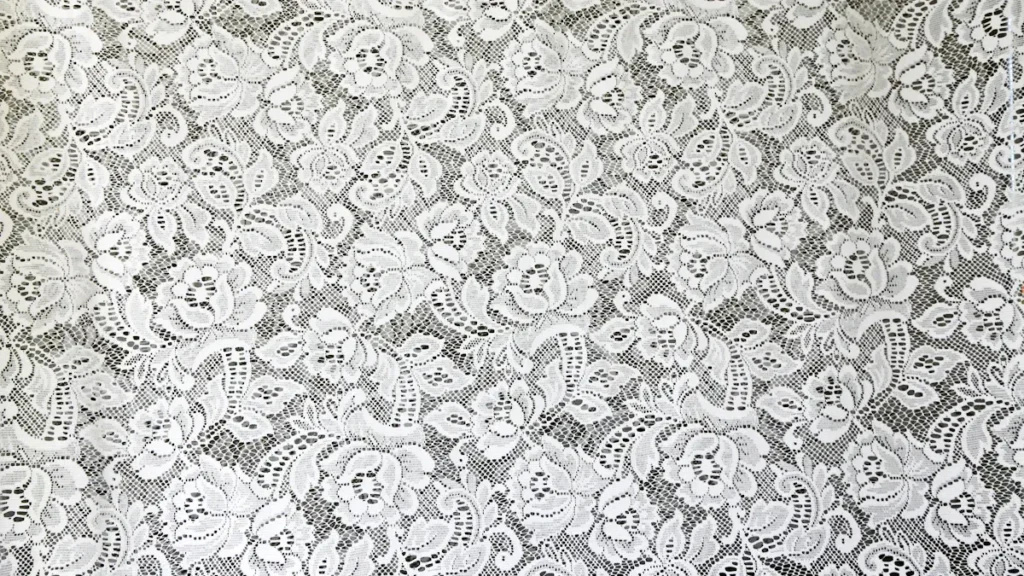
Lace gives your clothes a delicate and elegant touch. You often see lace on dresses, blouses, and lingerie. Lace has a pattern with open spaces, which makes it look light and airy. You can use lace to decorate the edges of sleeves, collars, or hems. For example, a chiffon sheer lace trim midi skirt uses lace to add a detailed and beautiful design. This trim makes the garment look more graceful and special. You can choose from many types of lace, such as cotton, nylon, or polyester.
Ribbons
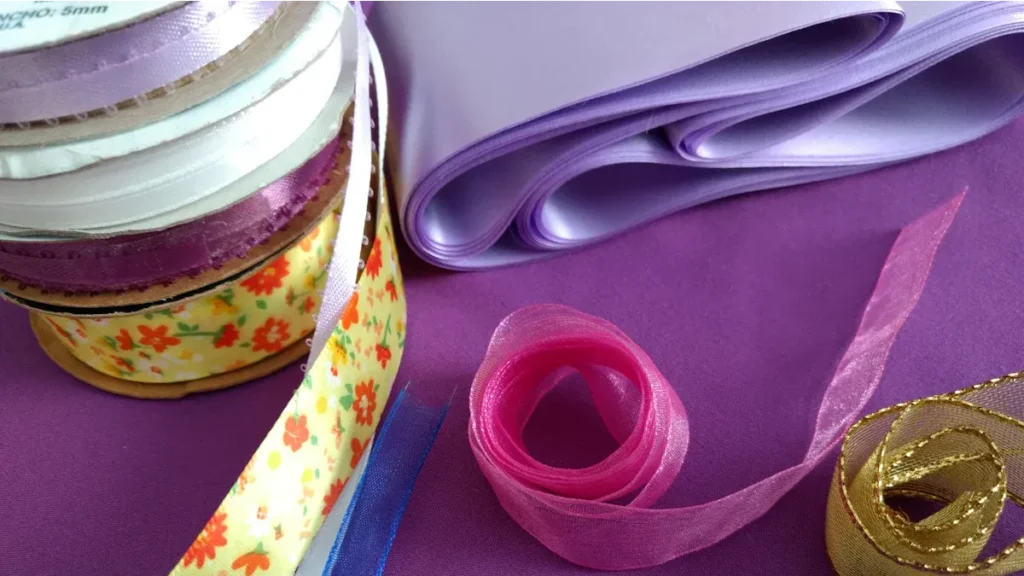
Ribbons are flat strips of fabric that you can use to tie, decorate, or finish garments. You see ribbons on dresses, hats, and even shoes. Ribbons come in many materials and widths. Some are shiny and smooth, while others feel soft or stiff. You can use ribbons to make bows, add stripes, or cover seams.
Here is a table showing some common ribbons and their uses:
| Ribbon Name | Material | Width | Use Case |
|---|---|---|---|
| Gold Pull Flower Ribbon | Unknown | 1.8cm | Weddings, party decoration, gifts |
| Rigilene Boning | Polyester | 12mm | Structural support in garments |
You can pick a ribbon that matches your garment’s style and purpose.
Piping
Piping is a narrow tube of fabric that you sew into seams. It creates a raised edge that stands out. You often see piping on cushions, collars, and the edges of jackets or trousers. Piping can match the garment or use a contrasting colour for extra detail. You use piping to make seams stronger and to add a neat finish. It also helps highlight the shape of your garment.
Sequins
Sequins are small, shiny discs that you sew onto fabric. They reflect light and make clothes sparkle. You find sequins on party dresses, dance costumes, and even T-shirts. Sequins come in many colours and shapes. You can sew them in patterns or scatter them for a glittery effect. Sequins turn a plain garment into something eye-catching and fun.
Note: If you want your clothes to stand out at a party, try adding sequins for extra shine.
Labels and Tags
Labels and tags give you important information about your clothes. You find them inside almost every garment. Labels show the brand, size, and care instructions. Some labels are soft and comfortable, while others feel stiff. You can also use labels to add a personal touch, such as your name or a special message. Tags often hang from new clothes and tell you about the fabric or price. You should always check the label before washing your clothes.
Garment trims like these help you create clothes that look good and work well. You can mix and match trims to suit your own style.
Choosing Garment Trims
Functionality
You should always think about how a trim will work on your garment. Some trims help you fasten, adjust, or support your clothes. For example, you use zips for quick fastening, while buttons can add both function and style. If you want to make a dress fit better, you might add a ribbon tie or elastic. When you choose trims, ask yourself these questions:
- Will this trim make the garment easier to wear?
- Does it help the garment last longer?
- Is it comfortable against the skin?
Tip: Try to test trims on a small piece of fabric before you sew them onto your main garment. This helps you check if they feel right and work well.
Style and Fabric Match
You want your trims to look good and suit the fabric you use. Some trims work best with certain fabrics or styles. For example, heavy metal zips suit denim jackets, while delicate lace looks lovely on light cotton or silk. You should also think about the colour and texture of your trims. A bright ribbon can make a plain dress pop, but a subtle piping might suit a smart shirt.
When you match trims to fabric and style, you often:
- Work with your design team from the first idea to the finished product.
- Talk about which trims and finishes will look and feel best.
- Make sure you add the right trims and linings early in the design process.
Practical Tips
You can follow these simple tips to choose the best trims for your project:
- Pick trims that match the purpose of your garment. Use strong zips for sportswear and soft lace for special dresses.
- Test trims for comfort and durability. Rub them against your skin or wash them to see how they hold up.
- Check that trims do not overpower your design. Sometimes less is more.
- Ask for advice from others, like your teacher or a friend, if you are not sure.
Note: The right trim can turn a simple garment into something special. Take your time and enjoy the process!
You now know how garment trims can change both the look and function of your clothes. Understanding these trims helps you make better choices when you design or sew.
- You can use trims to add style, comfort, or strength.
- You can choose the right trim for each project.
Try different trims on your next garment. You might discover a new favourite way to personalise your clothes!
FAQ
What is the difference between trims and accessories?
Trims are parts sewn onto garments, such as buttons or lace. Accessories are items you wear with clothes, like belts or hats. You use trims to change the look or function of clothing. Accessories help you complete your outfit.
Can you wash garments with trims in a washing machine?
You can wash most garments with trims in a machine. Always check the care label first. Some trims, like sequins or delicate lace, need gentle washing. Use a laundry bag for extra protection.
How do you choose the right trim for your project?
You should match the trim to your fabric and style. Think about how the trim feels and looks. Test a small piece before sewing. Ask for advice if you are unsure.
Are trims only for decoration?
You use trims for both decoration and function. Buttons and zips help you fasten clothes. Lace and sequins add style. Some trims, like piping, make seams stronger.
Where can you buy garment trims?
You find trims at fabric shops, craft stores, and online. Many shops offer samples. You can ask staff for help if you need advice.